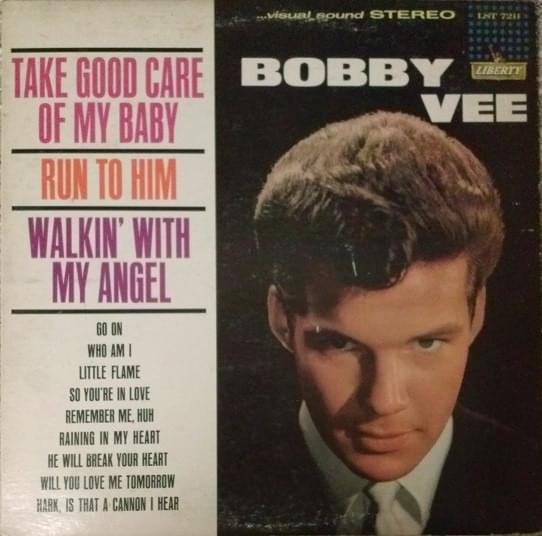
Song Meaning
This song paints a picture of a narrator grappling with the potential loss of their love. The repeated instruction to "run to him" initially sounds like a generous, selfless act, but it’s laced with a deep undercurrent of insecurity and desperation. The narrator is essentially daring their partner to leave, hoping they won't, while simultaneously preparing for the worst.
The central tension lies in the narrator's conflicting desires: to be loved unconditionally and to be strong enough to let go if that love isn't reciprocated. They offer a seemingly open door, saying "I'll step aside" and "My tears will dry," but the constant reinforcement of the alternative – running to someone else – reveals a profound fear of abandonment. It’s a plea disguised as an ultimatum, a fragile hope that the partner’s choice will be to stay.
The most striking aspect of the craft is the relentless repetition of the conditional "If." This structure hammers home the narrator's uncertainty, framing their entire relationship around a series of hypothetical scenarios. Each verse presents a different potential failing on their part – not satisfying enough, not kissing well enough, not holding well enough, not making happy enough – and each time, the prescribed solution is for the partner to seek fulfillment elsewhere. This creates a dizzying effect, as if the narrator is trying to convince themselves as much as their partner.
What makes these lyrics hit so hard is the raw vulnerability exposed through this carefully constructed conditional logic. The narrator isn't just saying goodbye; they're performing a painful act of self-negation, hoping that by offering the easiest path away, they might inadvertently secure the hardest path to stay. The final lines, "But darling, if I'm not the one / Then run to him," encapsulate this desperate gamble, leaving the listener with the ache of someone willing to be nothing just to be something.