Song Meaning
The lyrics paint a picture of someone desperately trying to make their internal world heard and felt by another. The opening lines, "Tales from my head / Can't buy the book / No one's listening," establish a sense of unheard stories and a desire for connection that feels unfulfilled. The repeated invitation, "Try whistling this," acts as a plea for engagement, a way to translate the intangible into something the other person can acknowledge, even if it’s just a simple tune.
The central tension arises from the narrator's intense desire for a specific kind of relationship versus the other person's apparent detachment or weariness. The narrator asserts their importance – "I'm the best that you know" – and expresses a longing for "true romance," while simultaneously acknowledging the other's inclination to "leave." This creates a push-and-pull dynamic, where the narrator is trying to hold onto something that feels fragile and unreciprocated.
A striking shift occurs with the introduction of the "violent stranger" and the imagery of being pushed down, made even more precarious by the mention of "high heels." This jarring interlude, followed by the existential question, "If you're here at all?" suggests a deeper, perhaps more traumatic, experience underlying the narrator's current plea. It hints that the need to be heard might stem from a place of past vulnerability or even abuse, adding a layer of desperation to the desire for connection and control.
The lyrics' power lies in their raw, almost desperate, articulation of emotional stakes. The narrator’s declarations, like "I would rather have a different face" or "turn this chapel into flames," reveal an extreme unwillingness to accept separation or indifference. This intensity, coupled with the vulnerability of wanting someone to "try whistling this," creates a compelling portrait of someone fighting to be seen and loved, even if it means resorting to drastic measures or facing profound internal conflict.
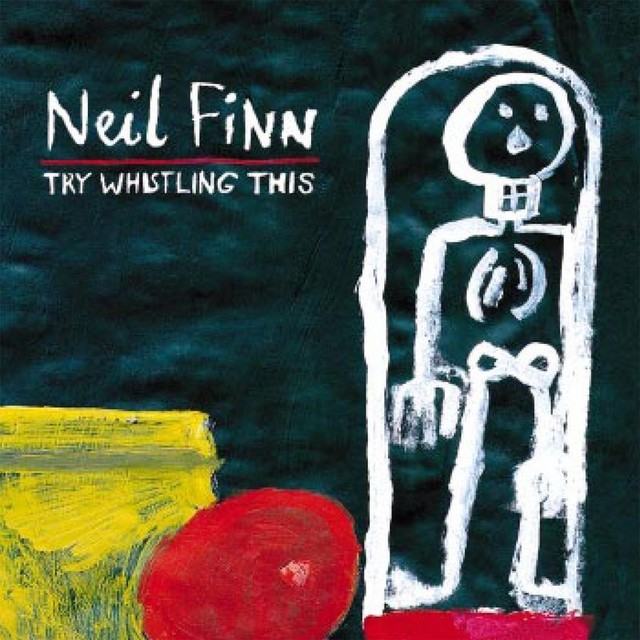
 View Artist