Song Meaning
Neil Finn's "Impressions" operates in a space of anxious observation, dissecting the performative nature of modern life and the struggle to maintain authenticity under duress. The opening lines, "Truth will rise in the morning / Is this crime really happening?" immediately establish a sense of unease, hinting at a societal or personal transgression coming to light. This isn't mere cynicism; it's a recognition of the pressures that force individuals into roles, into crafting "impressions" rather than existing genuinely. The repeated phrase "Impressions" functions as both a mantra and a lament, highlighting the exhausting effort of maintaining a facade. The line "This disguise fooling no one" suggests an awareness of the futility of this performance, yet the pressure to continue persists. Finn captures the feeling of being scrutinized, of "all these eyes seeming drawn to you," amplifying the anxiety of living under constant observation. The notion of running away, but "not going solo," implies a shared desire to escape the charade, a collective yearning for genuine connection.
The song's brilliance lies in its ambiguity; is the "crime" a personal failing, a societal ill, or both? The lyrics hint at a loss of innocence or naivete. The line "Belly of rhymes got no reason / They know you only too well" suggests that the speaker's defenses are transparent, their vulnerabilities exposed. The desire to "sink into the atmosphere" points toward a longing for anonymity, a release from the burden of curated self-presentation. This also speaks to the disorienting nature of modern life, where the lines between reality and performance blur, and the pressure to conform can feel overwhelming.
Ultimately, "Impressions" is a sophisticated exploration of identity in the age of spectacle. It's about the tension between our authentic selves and the personas we project, the constant negotiation between inner truth and outward appearance. The cryptic lines "Got no plans for the future / Got to make good impressions" encapsulate this struggle, revealing the contradictory impulses that drive us. Even the closing lines, fragmented and dreamlike, suggest a surrender to the constructed reality, a blurring of boundaries between the self and the stage. Neil Finn isn't offering easy answers, but rather a poignant reflection on the complexities of being human in a world obsessed with appearances.
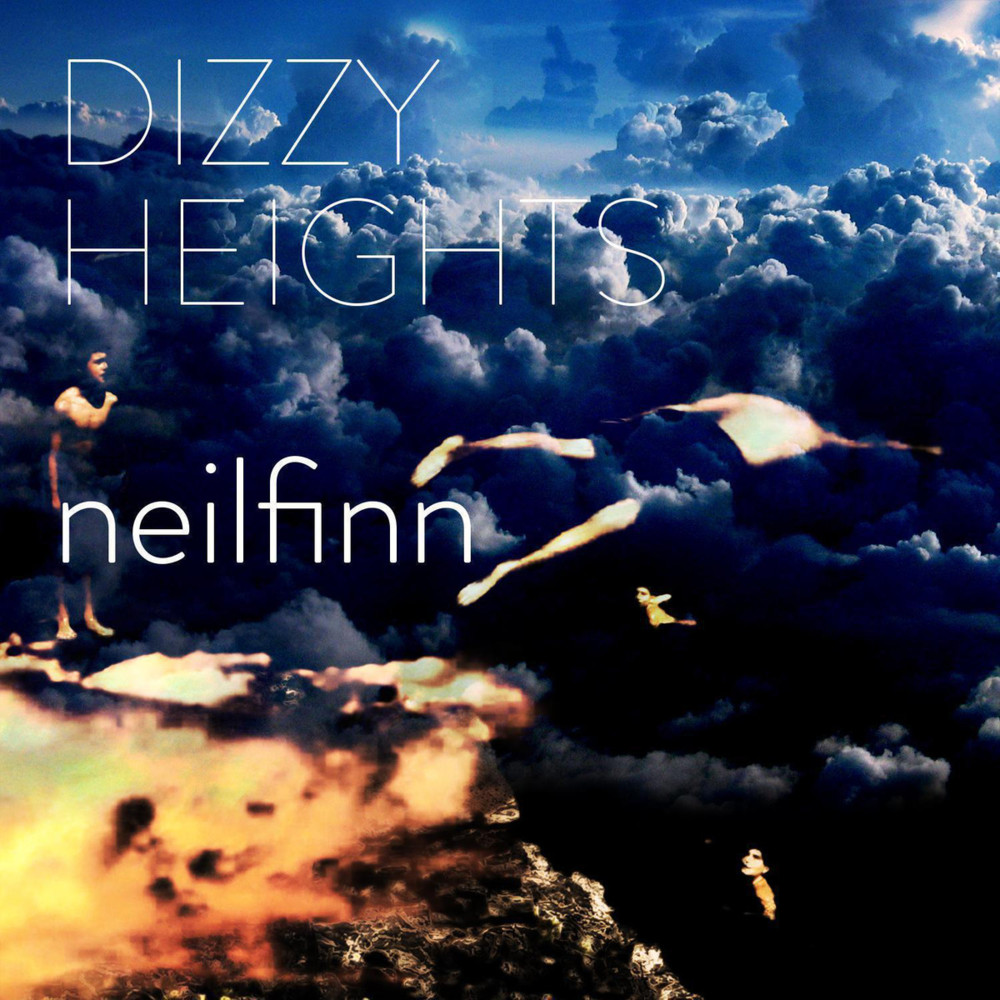
 View Artist