Song Meaning
The lyrics paint a stark picture of a home defined by emotional pain, a "wounded heart" that has become the central, defining characteristic. This isn't a place of comfort, but one of ongoing hurt. The narrator directly addresses someone, possibly the "he" mentioned, who is out pursuing external validation – "love and for glory" – while the other waits, trapped in this cycle of damage. The repetition of "home is a wounded heart" underscores the inescapable nature of this suffering.
The central tension lies in the contrast between past promises and present reality. The narrator recalls a time of certainty, perhaps even a boast: "I swore that you'd never regret it." This declaration now rings hollow, directly preceding the painful realization that "home is a wounded heart." This shift highlights a profound sense of betrayal or failure, where a commitment made with confidence has devolved into a source of deep sorrow.
The imagery of the "red balloon" and the desire for a "ring" suggests a yearning for traditional symbols of happiness and commitment, things that could potentially mend the "wounded heart." However, the narrator's plea is tinged with desperation, offering to "buy it" and "bring it on home," but the destination remains the same: "Home to a wounded heart." This implies that even these gestures of love and security are being offered into a space already defined by pain, questioning their ability to truly heal.
What makes these lyrics resonate is the raw, almost blunt portrayal of emotional desolation. The direct address and the simple, declarative statements about the "wounded heart" bypass complex metaphors to hit with immediate force. The narrator's own heart breaking "in two" while observing the other's pain adds a layer of empathetic suffering, making the bleakness feel shared and deeply felt.
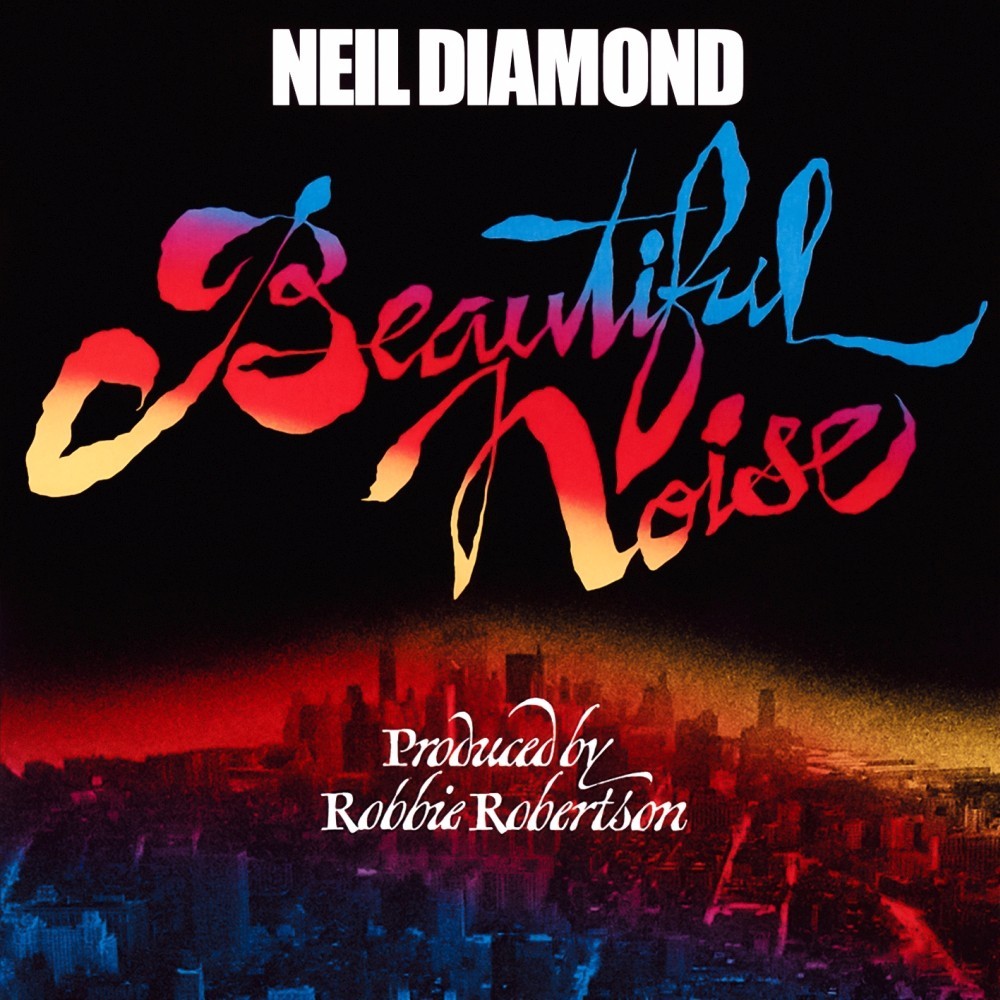
 View Artist