Song Meaning
The lyrics paint a stark, almost apocalyptic scene where figures driven by desire "Kreisend im Äther das Antlitz der Heere" are caught in a destructive "Feuer der Minerven Gefährten." They seem to exist outside of time, seeking only one thing, yet their pursuit is fraught with an inability to grasp truth. The narrator observes that if one "lässt einer die Gedanken schweifen," their gaze, even if it "von Wahrheit spricht," ultimately fails to yield answers, leading to inevitable failure that they don't perceive.
This leads to a central tension: the characters are consumed by a desperate chase for superficial "Schein" and "Kraft," a "gleißend die Kraft und beißend die Glut." This pursuit is framed within a "Saga verbotener Verse," suggesting a forbidden or dangerous quest. Despite this, an "innere Ruf" compels them, a repeated, almost ritualistic command: "Erblicket die Türme!" The towers themselves appear as imposing, contradictory structures – "Eisern doch berstend, in drohendem Glanz" – and their appearance is a climactic, yet ultimately futile, call to action.
The most striking aspect of the craft is the juxtaposition of movement and stasis, and the ultimate futility of the quest. The figures are described as "Schreitend doch stehend," moving forward yet remaining in place, their eyes "erhobenen Auges" but their path "umsonst gemacht." This paradox underscores the core message: the objective, these "Türme," is unattainable or perhaps even illusory. The final lines deliver a devastating blow: "Hier ist kein Frieden / Du windest Dich und kommst nicht weiter." The act of worship or pursuit ("Bet es an") offers no solace, and the "Bilderstürmer" find that upon reaching the "Trümmern," the very "Idee ist gestorben."
What makes these lyrics resonate is their unflinching portrayal of a Sisyphean struggle. The cyclical nature of the failed pursuit, the grand but empty pronouncements of "Erblicket die Türme!" and the final, bleak realization that the goal leads only to destruction and the death of the idea itself, creates a powerful sense of existential dread. The writing avoids easy answers, instead presenting a stark, almost philosophical commentary on ambition, illusion, and the destructive nature of unattainable desires.
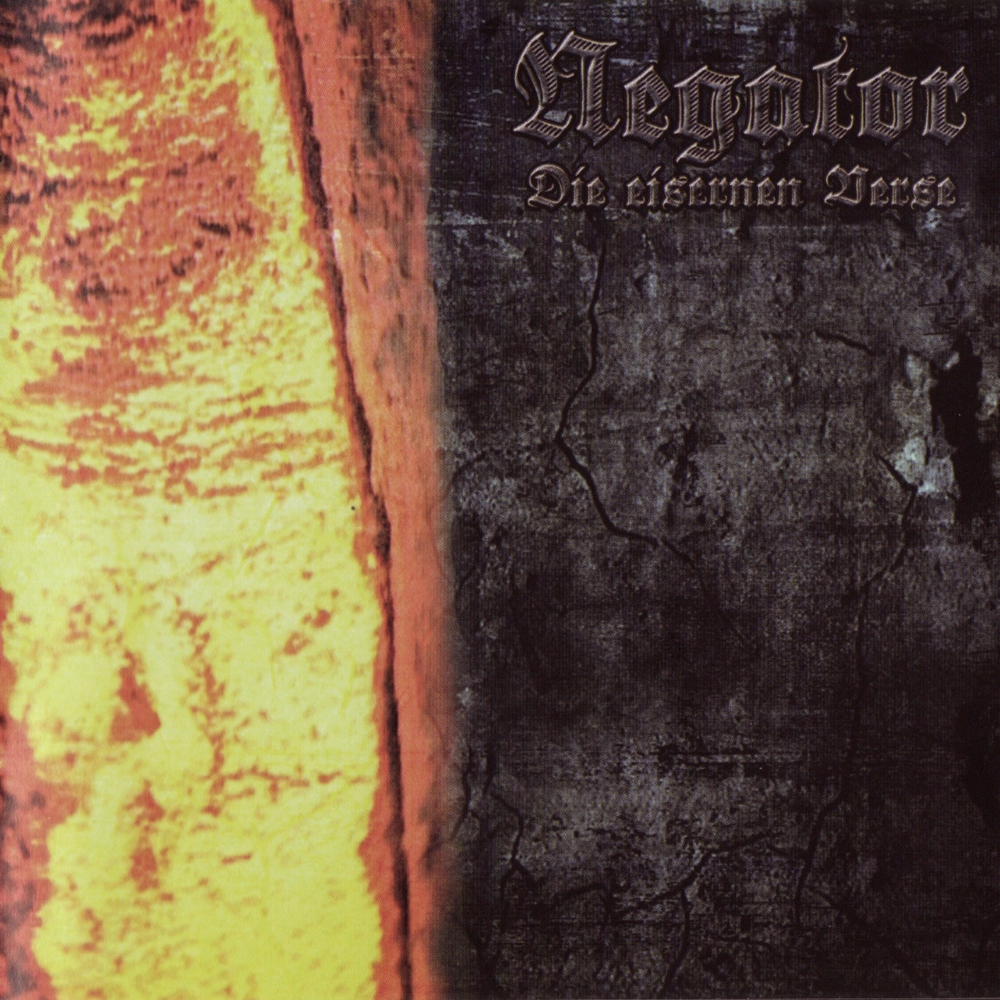
 View Artist