Song Meaning
The lyrics paint a picture of someone actively choosing to obscure the truth, not just from others, but from themselves, in a bid for sympathy. There's a deliberate "simple choice" to "replace the truth for sympathy," suggesting a conscious act of self-deception. This isn't about accidental misunderstanding; it's about actively "decorating the signs" and having "empty eyes looking away," all to avoid genuine engagement with reality.
The central tension lies in the narrator's desperate need for external validation while simultaneously pushing others away and denying self-awareness. They want others to "recognise yourself in me" but also insist "you don't know me," creating a confusing push-and-pull. This is amplified by the self-contradictory state of being "selfless, self-denying" while "lying and hiding" and "my firm hand holding you down," revealing a manipulative dynamic masked by a veneer of sacrifice.
The most striking aspect is the narrator's internal conflict and projection. They hide "mechanisms I hide from myself," indicating a deep-seated avoidance of introspection. The plea to "Say it for me. Say it for me" suggests a reliance on others to articulate truths the narrator cannot face. The repeated command to "Recognise, you're just like me" is a powerful projection, an attempt to normalize their own deceptive behavior by finding it in others, thereby absolving themselves.
Ultimately, the effectiveness of these lyrics stems from their unflinching portrayal of self-deception and manipulation. The narrator's internal contradictions – wanting connection yet fostering distance, claiming selflessness while exerting control – create a compelling portrait of someone trapped by their own avoidance. The final, stark declaration, "God is not mocked," serves as a chilling indictment of this entire performance, suggesting a reckoning for the dishonesty, both internal and external.
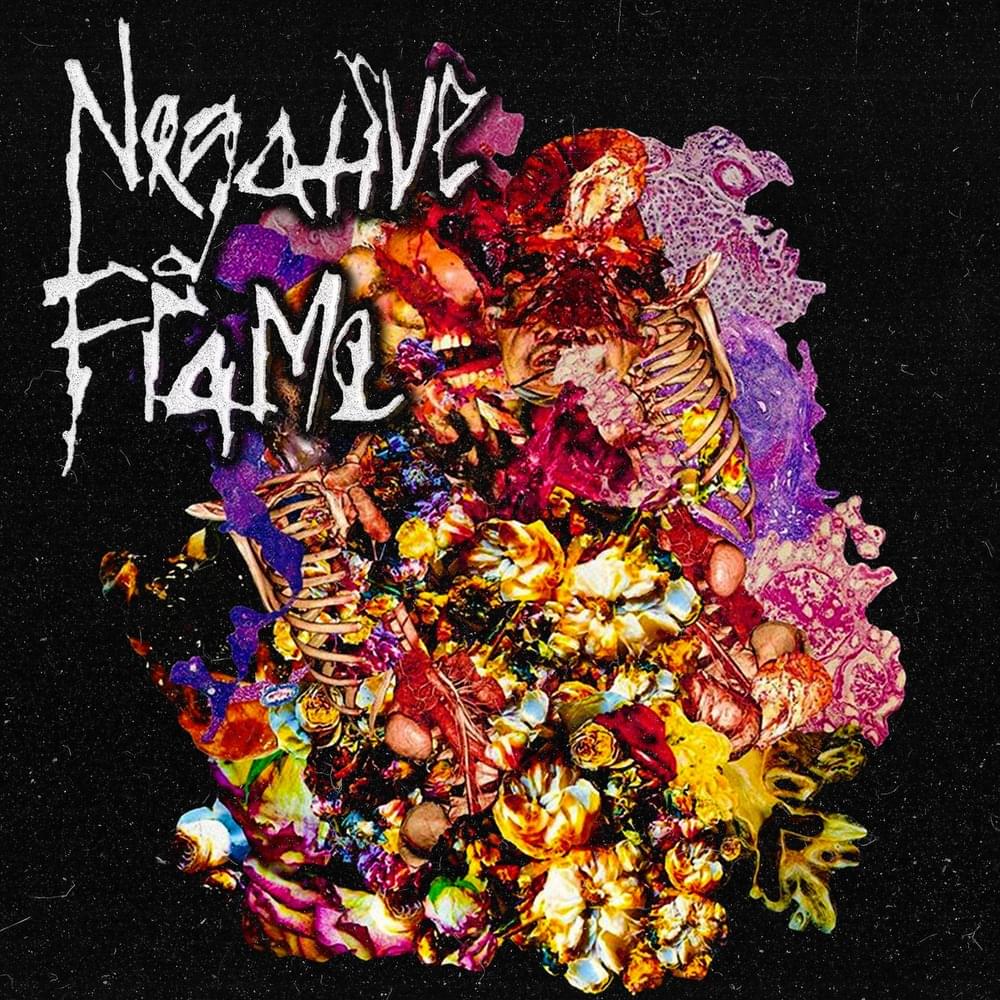
 View Artist