Song Meaning
The lyrics paint a picture of inevitable separation, tinged with a defiant certainty of future vindication. The narrator acknowledges a point of no return, stating, "Ti perderò..." (I will lose you). There's a sense of the other person acting without full awareness of the consequences, "Tu non sai / Cosa fai" (You don't know / What you're doing), while simultaneously destroying something valuable, "bruci la carta migliore che hai" (you burn the best card you have). This sets a tone of resigned finality mixed with a sharp awareness of the other's self-sabotage.
The central tension lies in the narrator's foreknowledge of the other's eventual regret and return, juxtaposed with the narrator's own resolve to move on. The lines "E il giorno arriverà / Che tu ritornerai" (And the day will come / That you will return) are directly countered by the assertion that "Ma un'altra ci sarà / Che mi amerà di più" (But another will be there / Who will love me more). This isn't just about being replaced; it's about the narrator's own growth and the certainty of finding a deeper connection, making the other's return futile.
A striking element is the stark contrast between past adoration and present farewell. The memory of "Nei tuoi occhi / C'era il sole" (In your eyes / There was sun) and the repeated "Io voglio te!" (I want you!) is now met with a dismissive "Ciao bye bye, adios." This sharp shift underscores the finality of the decision, turning past intimacy into a memory that fuels the narrator's present resolve. The act of toasting with "rosso nel bicchiere" (red in the glass) suggests a bittersweet celebration of this ending.
Ultimately, the lyrics resonate because they capture the painful yet empowering moment of realizing one's own worth after a relationship ends. The narrator's conviction that they will be loved more and will not be there when the other person finally understands their mistake provides a powerful emotional arc. It's the sound of someone choosing self-preservation and looking forward, even while acknowledging the sting of the past.
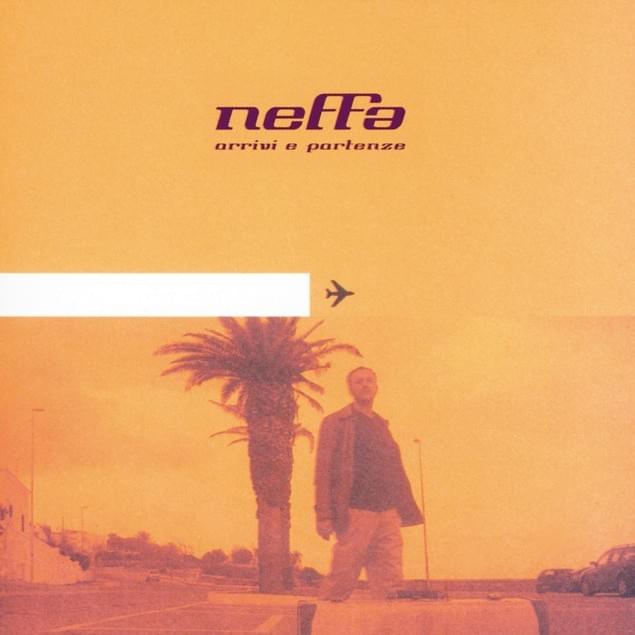
 View Artist