Song Meaning
Neal McCoy's "Mountains on the Moon" is a masterclass in country music melancholy, a stark portrait of loneliness painted against a vast, indifferent landscape. The opening verse sets the scene: a solitary figure in Montana, the coyote's howl a mournful soundtrack to his internal struggle. He seeks answers in the stars, but finds only the echoing chambers of his own heart. This sets up the central metaphor – counting "mountains on the moon" – a futile, obsessive act born of heartache and the desperate need to quantify the immensity of his loss. The moon, distant and unreachable, becomes a screen onto which he projects his longing.
The chorus reinforces this sense of longing. The repetition of "Countin' mountains on the moon / Sleep, it never comes too soon" speaks to the insomnia and restless yearning that plague the heartbroken. The line "I'd climb the highest one for you" lays bare the depth of his devotion and the lengths he would go to for reconciliation. But it's also a recognition that the task is impossible, as fanciful as scaling lunar peaks. The mountains are not real, just like the love he pines for is now out of reach.
The second verse introduces a flicker of hope, a momentary illusion of closeness: "Sometimes in perfect light / Those mountain tops come into sight / Almost close enough to touch / Like dreams of you." This fleeting vision underscores the psychological dance between hope and despair that defines the grieving process. He clings to the memory of the loved one, leaving an "echo" in the canyon, a symbolic gesture of wanting to be remembered and perhaps, subconsciously, hoping for a return. The echo, like the mountains on the moon, becomes a tangible representation of an absence, a constant reminder of what was and what might never be again. The song's brilliance lies in its ability to evoke profound emotion through simple, evocative imagery, transforming personal sorrow into a universal experience of longing.
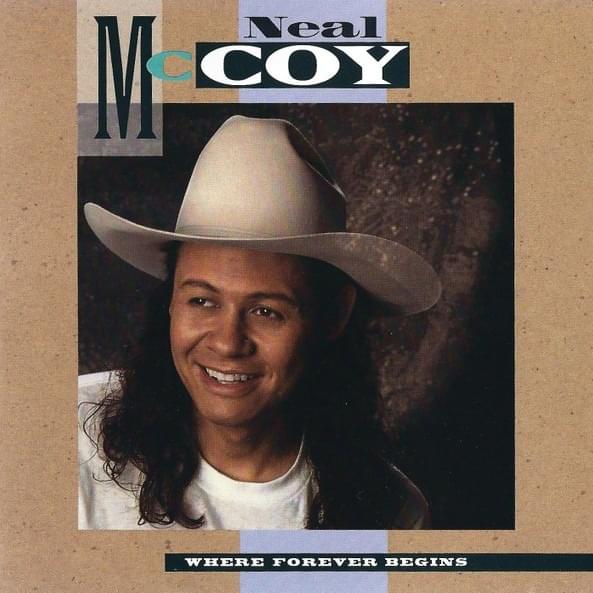
 View Artist