Song Meaning
Neal McCoy's "It Should've Happened That Way" isn't just a country ballad; it's a masterclass in regret, dissecting the anatomy of a love gone sour with surgical precision. The song meaning hinges on a pivotal moment of realization, a stark awakening to the 'forever' that was within reach but tragically squandered. It's a familiar narrative—the relationship that crumbles not from malice, but from the quiet accumulation of unspoken words and missed opportunities. The opening verse paints a picture of palpable tension, the silence screaming louder than any argument. The emotional weight rests not on histrionics, but on the understated observation: 'I could tell that something wasn't right.'
The chorus, with its wistful repetition of 'It should've happened that way,' is the heart of the song's melancholic core. It's a lament for a path not taken, a future that flickered tantalizingly close before fading into the realm of 'what ifs.' The lyrics suggest a dreamlike state, a desperate yearning to recapture the intensity of a connection that has slipped away. The line, 'Wish I was fast asleep and still with you,' speaks volumes about the protagonist's desire to escape the harsh reality of his present circumstances and retreat into the comforting embrace of a past love. This isn't simply about romantic longing; it's about confronting the painful truth of one's own agency in the relationship's demise.
Ultimately, “It Should’ve Happened That Way” is a searing exploration of accountability. The lines 'I should've never let you leave / I could've made you stay' cut deep, revealing a raw vulnerability and a belated understanding of the power he possessed—and failed to wield—to alter the course of their relationship. It’s a song about the crushing weight of hindsight, the agonizing awareness that a different choice, a bolder action, could have irrevocably changed everything. McCoy doesn't offer easy answers or sentimental platitudes; instead, he delivers a stark and unflinching portrayal of regret, leaving the listener to grapple with the universal truth that some opportunities, once lost, can never be reclaimed.
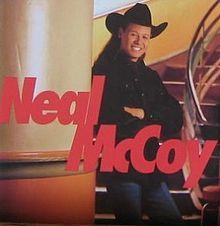
 View Artist