Song Meaning
The lyrics paint a stark picture of a generation defined by insatiable desire and material excess, labeling themselves "generation greed" and "generation soma." This self-awareness of a flawed identity is immediately apparent, setting a tone of critical self-examination. The core idea is that this pursuit of "more" is a hollow endeavor, a trap where "possession equals happiness" on the "shores of plenty." The narrator acknowledges a fundamental disconnect between abundance and genuine fulfillment.
The central tension arises from the paradox of having too much, leading to a kind of sickness. Instead of suffering from scarcity, this generation is "so sick as to choke on too much," overwhelmed by a "tidal wave of poison" that pollutes their minds. This isn't just personal malaise; the lyrics explicitly state that their "prosperity is based on exploiting you," linking their wealth directly to the "poverty and weakness" of others. This reveals a deeply uncomfortable truth about the foundation of their comfort.
The most striking craft element is the repeated invocation of "generation soma" and "generation greed," hammering home the self-inflicted nature of their condition. The contrast between "starving on too less" and "choke on too much" is a powerful, visceral image that encapsulates the destructive nature of unchecked consumption. Furthermore, the idea of "peace of mind" being "hidden deep within" and unable to be bought or sold highlights the ultimate futility of their materialistic pursuits, even as this very illusion of control "will also swallow you."
These lyrics hit hard because they articulate a collective, uncomfortable truth about modern society's relationship with wealth and happiness. The direct, almost accusatory language, combined with the unsettling imagery of being poisoned by abundance, forces a confrontation with the emptiness at the heart of endless acquisition. The acknowledgment of exploitation as the bedrock of their own comfort adds a layer of moral weight that makes the "paradigm lost" feel both personal and systemic.
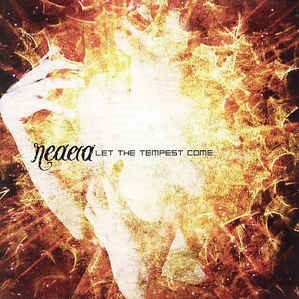
 View Artist