Song Meaning
The lyrics immediately establish a stark, almost primal refusal: "Mä en haluu mennä alas kellariin" is repeated four times, hammering home a singular, urgent dread. This isn't a casual aversion; it's a desperate plea against descending into a specific, feared place. The sheer repetition creates a suffocating atmosphere, trapping the listener within this immediate, unyielding anxiety. It feels like a child's desperate cry against an unavoidable fate.
The tension escalates with the introduction of "Isä äiti sinne meni" – father, mother, they went there. This implies a generational or familial pattern, a grim inheritance of whatever awaits in the cellar. The subsequent "Sitten valot pimeni" (Then the lights went out) is chillingly abrupt, suggesting a sudden, absolute darkness or cessation following their descent. The repeated "Pimeni. Pimeni" amplifies this sense of finality and loss, leaving the narrator alone in the encroaching dark.
The most striking aspect is the stark contrast between the simple, declarative refusal and the implied horror. The lyrics don't explain *why* the cellar is terrifying, nor what happened to the parents, but the narrator's absolute refusal, bookended by the parents' fate and the extinguishing lights, powerfully conveys a deep-seated, inherited trauma. The final, solitary repetition of the refusal feels less like a plea and more like a desperate, isolated stand against an overwhelming, encroaching doom.
This raw, unadorned expression of fear is what makes the lyrics so potent. By withholding explicit details, the song taps into a universal dread of the unknown and the inherited darkness. The simple, repetitive structure mirrors the inescapable nature of the fear, making the narrator's desperate refusal feel both intensely personal and tragically inevitable.
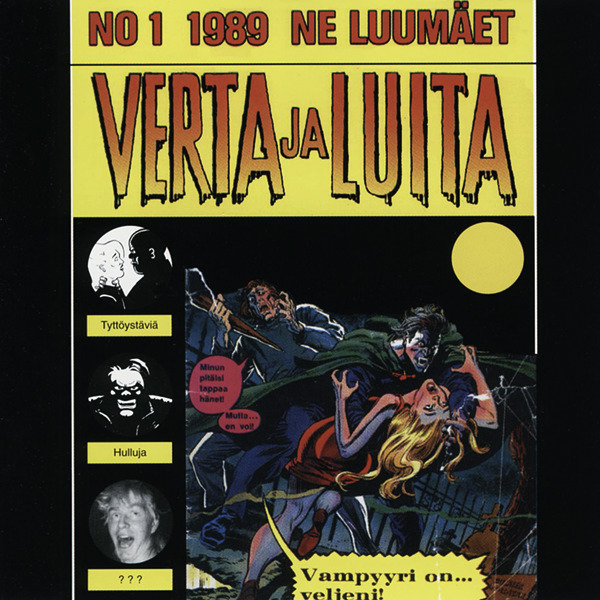
 View Artist