Song Meaning
The lyrics grapple with the harsh realities of the world, questioning the prevalence of hate and conflict. The narrator repeatedly asks pointed questions like "Is it a crime?" and "Why do we fight?", highlighting a sense of bewilderment and frustration at the state of things. The phrase "real life" acts as a stark contrast to the idealized or perhaps ignored aspects of existence, forcing a confrontation with difficult truths.
The central tension emerges from the juxtaposition of societal ills and a call to action. The verses detail specific injustices: minds closed by hate, the elderly mistreated, and children engaged in violence. This paints a picture of a world where suffering is rampant, yet the narrator insists "Don't turn away" and "Open your eyes." There's an emotional plea embedded in the critique, urging listeners to acknowledge and engage with these painful truths.
A powerful craft element is the insistent, almost mantra-like repetition of "Ooh, real life" after each verse. This refrain serves to punctuate the preceding observations, reinforcing the gravity of the issues presented. It’s not a celebration, but a somber acknowledgment, a grounding in the difficult, unvarnished truth of existence that the verses describe. The final lines, "I'll hold my breath 'til judgement day," suggest a profound weariness or a desperate, perhaps futile, hope for eventual resolution.
These lyrics resonate because they refuse to shy away from uncomfortable subjects, framing them with direct, urgent questioning. The consistent return to "real life" acts as an anchor, reminding the listener that these are not abstract problems but lived experiences. The simple yet potent language forces introspection, making the listener confront the world's imperfections and their own potential role in addressing them.
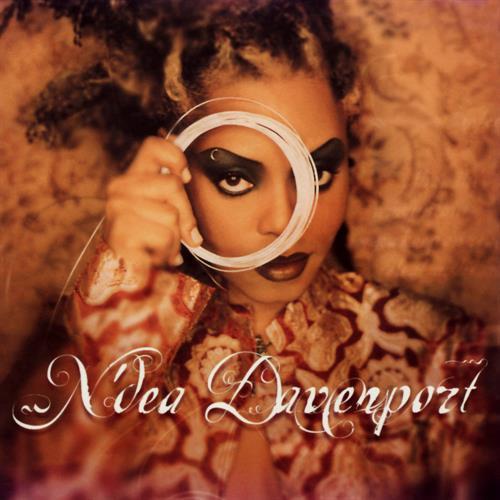
 View Artist