Song Meaning
The lyrics paint a picture of profound uncertainty and a desperate plea for reassurance in a relationship fraught with distance. The opening lines immediately establish a need for verbal affirmation, a simple "tell me that you love me," to combat the isolating effect of being "far away." This isn't just about affection; it's about survival, needing that validation to "help me through another day." The narrator feels adrift, seeking an anchor in the other person's words.
The core tension lies in the narrator's past experiences and present confusion. They admit to a history of holding on too tightly, suggesting a pattern of poor judgment in relationships. These "mistakes" are personified as a "family ghost," an inescapable specter that haunts their present. This imagery powerfully conveys how past failures continue to influence their current emotional state, making it difficult to discern whether they are progressing in the relationship or on the verge of its collapse, symbolized by the stark contrast of "moving in or heading for the coast."
The song masterfully uses nautical imagery to amplify this sense of being lost. The narrator is "sailing against the wind" and "lost at sea," unable to predict the direction of their emotional journey. This extends to the feeling of being "all dressed up no place to go," a poignant image of preparedness without purpose. The repeated plea, "Tell me that you love me," acts as a lifeline, a simple request that carries the weight of their entire emotional well-being, especially when they feel they are "sinking below."
Ultimately, the effectiveness of these lyrics stems from their raw vulnerability and the relatable struggle with self-doubt in the face of relational distance. The repeated phrases and stark, evocative images create a palpable sense of anxiety and longing. The song doesn't offer easy answers but instead captures the gut-wrenching feeling of needing external validation to navigate internal turmoil, making the simple request for love feel like a matter of life and death.
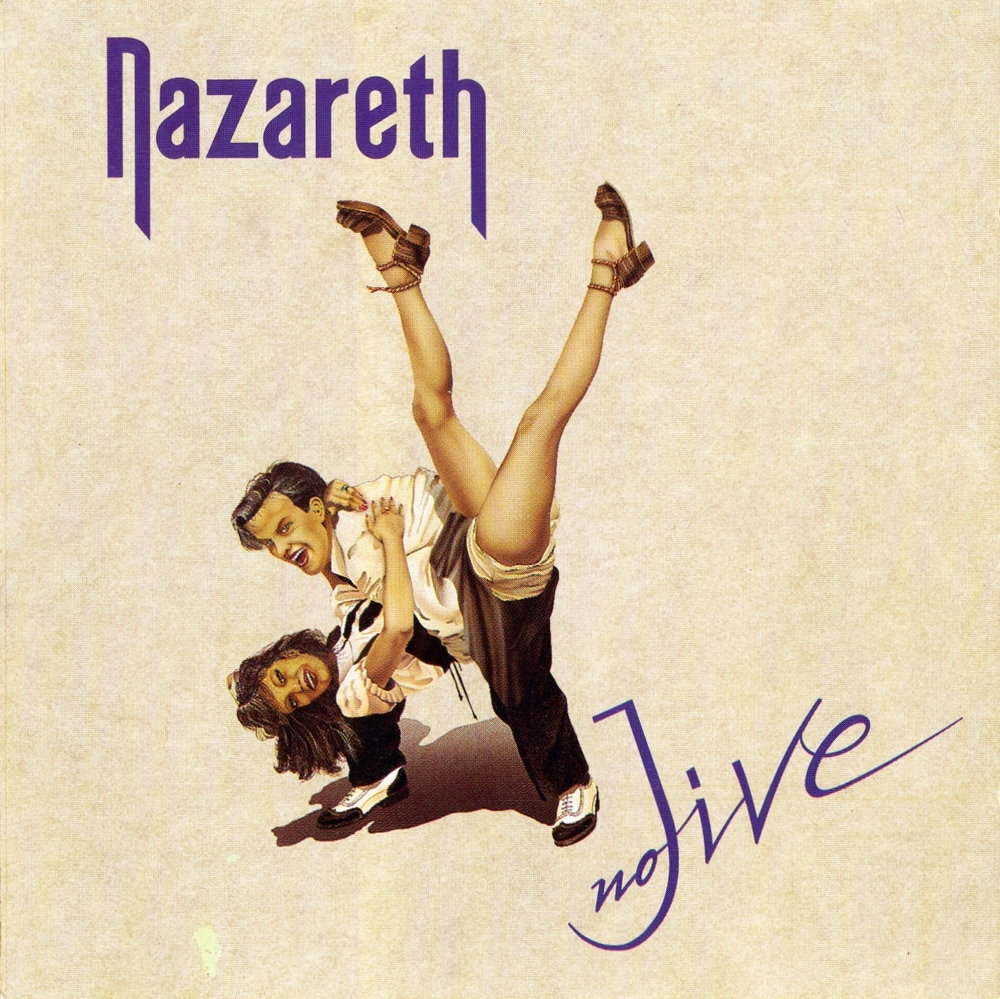
 View Artist