Song Meaning
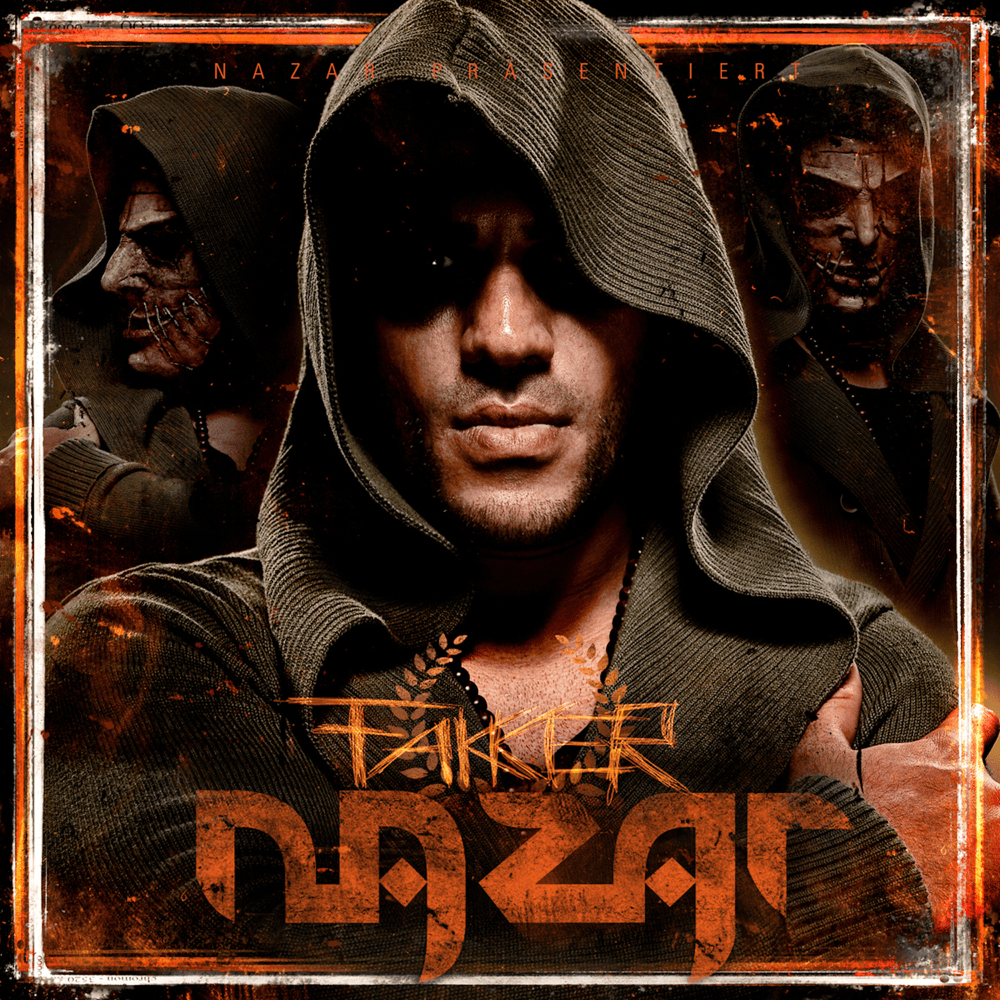
Nazar's "Outro (Fakker)" is less a conclusion than a raw, bleeding soliloquy on the corrosive nature of memory and the paradoxical torment of artistic creation. The track, despite its title suggesting closure, opens a vein of vulnerability, revealing an artist wrestling with the ghosts of his past and the present burden of his craft. He's caught in a loop, desperately seeking oblivion ("Ich will vergessen können scheiss auf die Erinnerungen") yet seemingly chained to the very experiences that fuel his art. This isn't a boastful victory lap; it's a confession from the summit of a mountain, tinged with regret and a profound sense of isolation. The title "Fakker" (which translates to "fucker") adds another layer, suggesting a self-directed anger and a sense of being betrayed by his own aspirations.
His lyrics paint a picture of a man haunted by the past, yearning for the clean slate of amnesia, a desire to "alles weiss sehen wie es ein Blinder tut" (see everything white like a blind man). There's a palpable tension between the desire for artistic expression and the draining effect it has on his soul ("Ich will vergessen können das mir musik meine kraft raubt"). He acknowledges the love of his fans, but it's not enough to fill the void, to "den schmerz nie ersetzen." This points to a deeper existential crisis, a feeling that external validation can never truly heal internal wounds. The line, "Verberge meine freude denn der letzte lacht am besten" (Hide my joy because the last one laughs best), suggests a guardedness, a fear of vulnerability and a belief that happiness is fleeting and easily snatched away.
The final lines, "Ich hab das herz eines löwen und die kraft eines Kämpfers / Doch das leben eines clowns der das lachen verlernt hat" (I have the heart of a lion and the strength of a fighter / But the life of a clown who has forgotten how to laugh), encapsulate the core of the song's meaning. He's a warrior, yes, but one trapped in a tragicomic existence, his strength undermined by a profound sadness. The juxtaposition of the lion's heart and the clown's lost laughter speaks to the duality of his persona: the tough exterior masking a deeply wounded interior. "Outro (Fakker)" is thus not an ending, but an open wound, a stark reminder of the price of artistic expression and the enduring power of the past to shape the present.
 View Artist