Song Meaning
The lyrics paint a vivid picture of a sea voyage, starting with a "white steamship" departing "from the second track." This initial image sets a tone of departure and perhaps a slightly mundane beginning, as if leaving from a train station rather than a grand port. The captain is described as a "juggler" with the helm, suggesting a skilled but perhaps precarious handling of the ship, while the "new wave" is fleeting, leaving only a "salty trace" behind. This establishes a sense of movement and impermanence right from the start.
The central tension revolves around navigating the unpredictable nature of fortune and fate. The ship "changes course and wind direction on the move," deftly avoiding an "equatorial storm." The narrator expresses a hope to "taste the pineapple of luck," a rare and exotic product, highlighting the desire for good fortune in a world of potential disaster. This pursuit of luck is framed as an active, almost desperate, maneuver against overwhelming natural forces.
The craft here is in the extended metaphor of the sea voyage as a journey through life's uncertainties. The "black sperm whale" throwing them onto "reef forts" is a powerful image of being cast ashore by misfortune, forcing a reckoning: "Now we will know if we are lucky in life or not." Even if they lose "masts, rudder, and half the cabin," the "new wave" is paradoxically expected to bring them home, suggesting that even disaster can lead to a return, albeit a changed one.
Ultimately, the lyrics resonate because they capture the universal experience of facing the unknown with a mix of skill, hope, and resignation. The final scene of the "white steamship" arriving in the "bay of return" and the captain tipping his hat, met with a triumphant "Hurrah!" leaves a feeling of hard-won arrival. The repetition of the "salty trace" left behind serves as a poignant reminder of the trials endured, a mark of the journey etched into their wake, signifying that the experience, however difficult, has left its indelible mark.
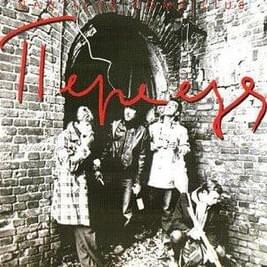
 View Artist