Song Meaning
Nathaniel Rateliff's "Once In A Great While" isn't a stadium anthem; it's a hushed confession whispered in the dead of night. The song meaning hinges on a complex interplay of vulnerability and desire, masked by Rateliff's signature blend of soulful delivery and cryptic lyricism. It presents a character caught between self-doubt and a yearning for connection, one where the possibility of being "right" or "so bright" feels like a fleeting, almost unbelievable event. The opening lines establish a sense of uncertainty and hesitant invitation, a plea not to be overlooked ("In my hesitation don't you pass").
The emotional core of "Once In A Great While" seems rooted in past disappointments and unmet expectations. The lines "One was set to carry you, and never came / I was laying hungry but surprised to be" hint at a history of unfulfilled promises, leaving the narrator in a state of bewildered longing. Yet, amidst this melancholy, there's an undeniable pull towards the object of his affection. The repetition of "Until you find a way back to me / Until you find a way to soothe me" underscores a deep-seated need for reassurance and emotional healing, suggesting that the other person holds the key to his solace. The "starlight" and "stars in your eyes" are not just romantic clichés but rather beacons of hope in the darkness.
The lyrics analysis reveals a push-and-pull dynamic, a dance between vulnerability and guardedness. The narrator acknowledges his own flaws and insecurities ("It's me in the shadows / And I'm laying, groaning"), while simultaneously expressing a profound longing for connection. This duality is further emphasized by the ambiguous phrasing throughout the song, creating a sense of mystery and inviting multiple interpretations. Ultimately, "Once In A Great While" is a testament to the human capacity for hope and resilience, even in the face of heartbreak and uncertainty. It's a reminder that even in our darkest moments, the possibility of finding solace and connection remains a powerful force.
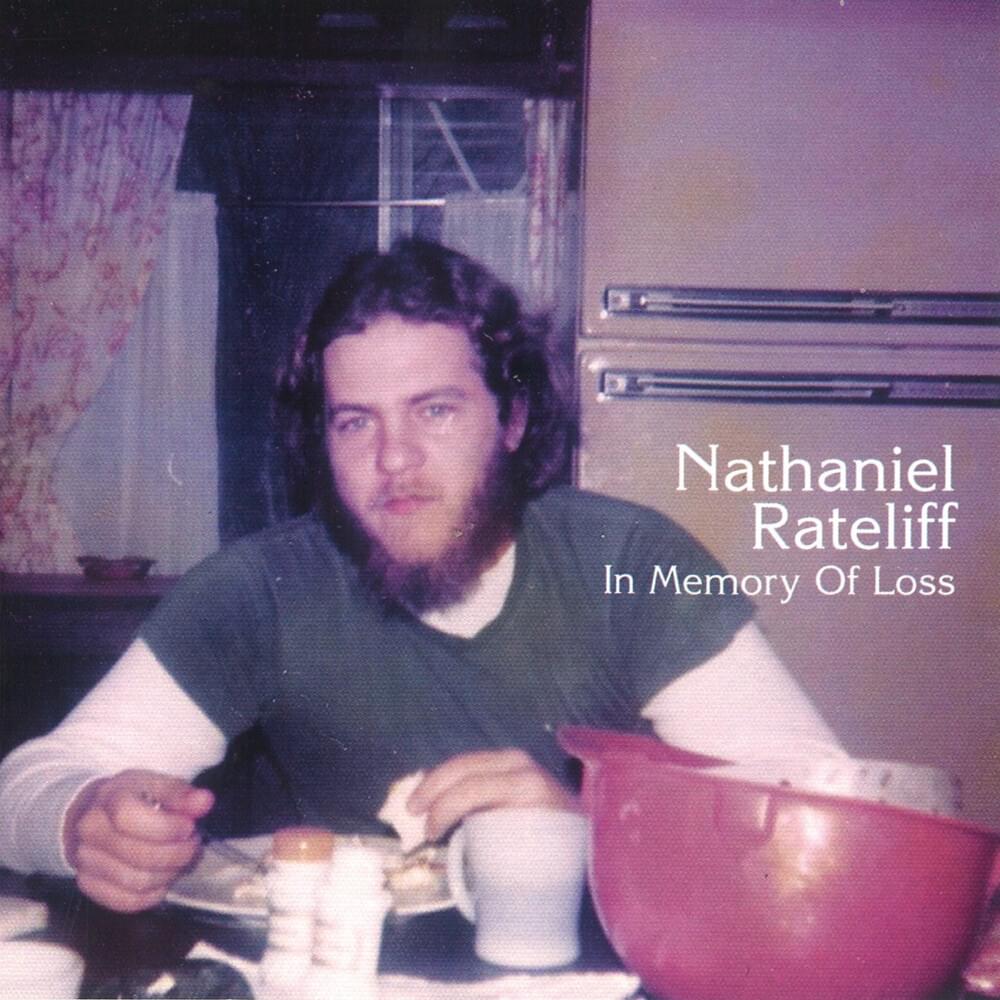
 View Artist