Song Meaning
Stephen Sondheim's "On the River Styx" isn't just a song; it's a glimpse into the absurd, melancholic heart of grief and the search for connection in the face of profound loss. The setup is simple: Dionysos, the god of wine and revelry, is on a quest, accompanied by his slave, Xanthias. But beneath the surface of this journey lies a poignant exploration of loneliness, triggered by the death of Dionysos' wife, Ariadne. The river Styx, in this context, becomes less a literal location and more a metaphor for the emotional chasm separating Dionysos from the world, a divide deepened by his bereavement.
The conversation between Dionysos and Xanthias is deceptively simple, almost banal. Xanthias' dry, sarcastic responses provide a stark contrast to Dionysos' vulnerability. When Dionysos expresses his loneliness, Xanthias's response highlights the power imbalance in their relationship ("I didn't have much of a choice, being a slave and all"), subtly underscoring the challenges of genuine connection when societal structures are stacked against it. The mention of Ariadne, and Dionysos' wistful tone, suggests a longing for a love that's irretrievably lost, a past that haunts his present.
The song meaning takes a darkly comic turn with Xanthias' tale of romantic woe involving a centaur. It's a moment of levity, but also a commentary on the universality of heartbreak and the often-absurd ways we try to cope with it. While seemingly incongruous, Xanthias' story serves to both diminish and amplify Dionysos' pain; it reminds him that everyone experiences loss and rejection, but also highlights the gulf between a god's grief and a slave's romantic disappointment. Ultimately, "On the River Styx" is a masterclass in Sondheim's ability to weave profound emotional depth into seemingly lighthearted musical theater, forcing us to confront the uncomfortable truths about love, loss, and the human (or divine) condition.
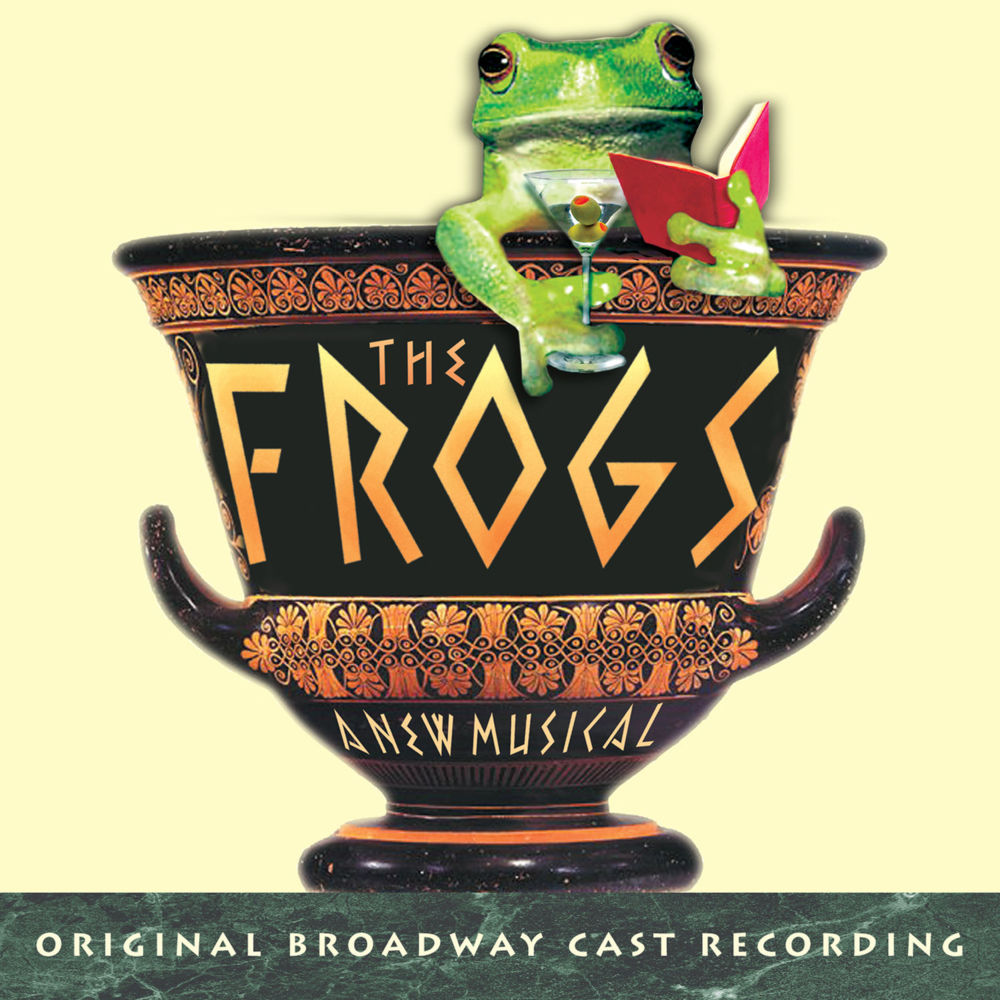
 View Artist