Song Meaning
The lyrics paint a stark picture of a person feeling utterly overwhelmed and defeated, likening their state to being shipwrecked at sea. The opening lines, with "sirens scream" and "northern winds pull me back," immediately establish a tone of external forces battering the narrator, leaving them "without defense" and "smash[ed] against the rocks." This isn't just a bad day; it's a recurring, devastating cycle where they are "beaten down" and "lost at sea."
This sense of helplessness leads to a profound surrender. The narrator declares, "I give what I have left / Tonight / I give it all back without a fight." This isn't a peaceful acceptance, but a weary resignation, especially given the admission, "And I already lost my mind so many times." The repeated phrase "Against the ebbing of the tide" underscores this feeling of being passively swept away by forces beyond their control, standing "cold and hollow eyed" in the face of their own decline.
The lyrics reveal a deep internal conflict between self-awareness and a desperate need for validation, even if it's self-deception. The narrator questions their own artistic output, calling it "art, not incompetence" and admitting it's "disguised with arrogance and hooks." This suggests a struggle with imposter syndrome and a fear that their creative efforts are hollow, aimed at appeasing others with "washed up faith and dirty looks." The admission "I feel so self-absorbed, and it's embarrassing" highlights a painful awareness of their own internal focus, especially when there's "no cause to believe."
The effectiveness of these lyrics lies in their raw, unflinching portrayal of despair and self-recrimination. The narrator grapples with the potential meaninglessness of their own words, questioning if anyone will "hear these words / And that they'll mean anything." This existential doubt is juxtaposed with the physical struggle to cope, as "It's getting easy to laugh / It's getting harder to breathe," culminating in the poignant, self-aware confession, "God I've got to stop drinking alone." The writing captures a specific, painful moment of reckoning, where the external chaos mirrors an internal breakdown, making the surrender feel earned and deeply human.
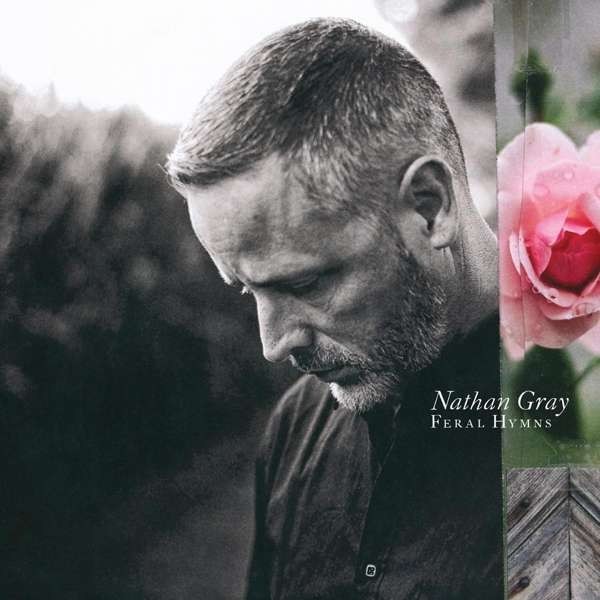
 View Artist