Song Meaning
The lyrics paint a picture of a relationship that was performative from the start, like a "charade" or a game of "posing." The narrator recalls a time when they and their partner were "like children" playing roles, "acting out names" and "guessing the parts we played." This initial phase was successful, described as "what a hit we made," and they were positioned as the main attraction, "best on the bill."
However, this act of love was ultimately unsustainable. The narrator notes that they were "lovers until / Love left the masquerade," indicating a moment when the pretense dissolved and the genuine emotion vanished. The sudden departure of the partner is framed as an external force, with "fate seemed to pull the strings," leaving the narrator alone as the partner "turned and you were gone." This abrupt ending is juxtaposed with the lingering presence of a "music box" playing a "sad little serenade."
The most striking aspect of the writing is the consistent metaphor of performance and illusion. The relationship is never presented as authentic but as a carefully constructed "charade" and "masquerade." The phrase "best on the bill" is repeated, highlighting the perceived success of their act, but this success is hollow because it was based on pretense rather than genuine connection. The "music box" playing on after the partner's exit serves as a poignant, almost haunting, reminder of the artificiality that has now become the narrator's solitary reality.
This lyrical construction is effective because it captures the specific ache of realizing a cherished past was built on a lie. The contrast between the initial triumph of their "hit" and the desolate "serenade" that follows underscores the profound sense of loss. The narrator is left with the echo of a performance, a "song of my heart's composing" that they "hear it still, I always will," trapped by the memory of a love that was never truly real, only a beautiful, ultimately heartbreaking, "charade."
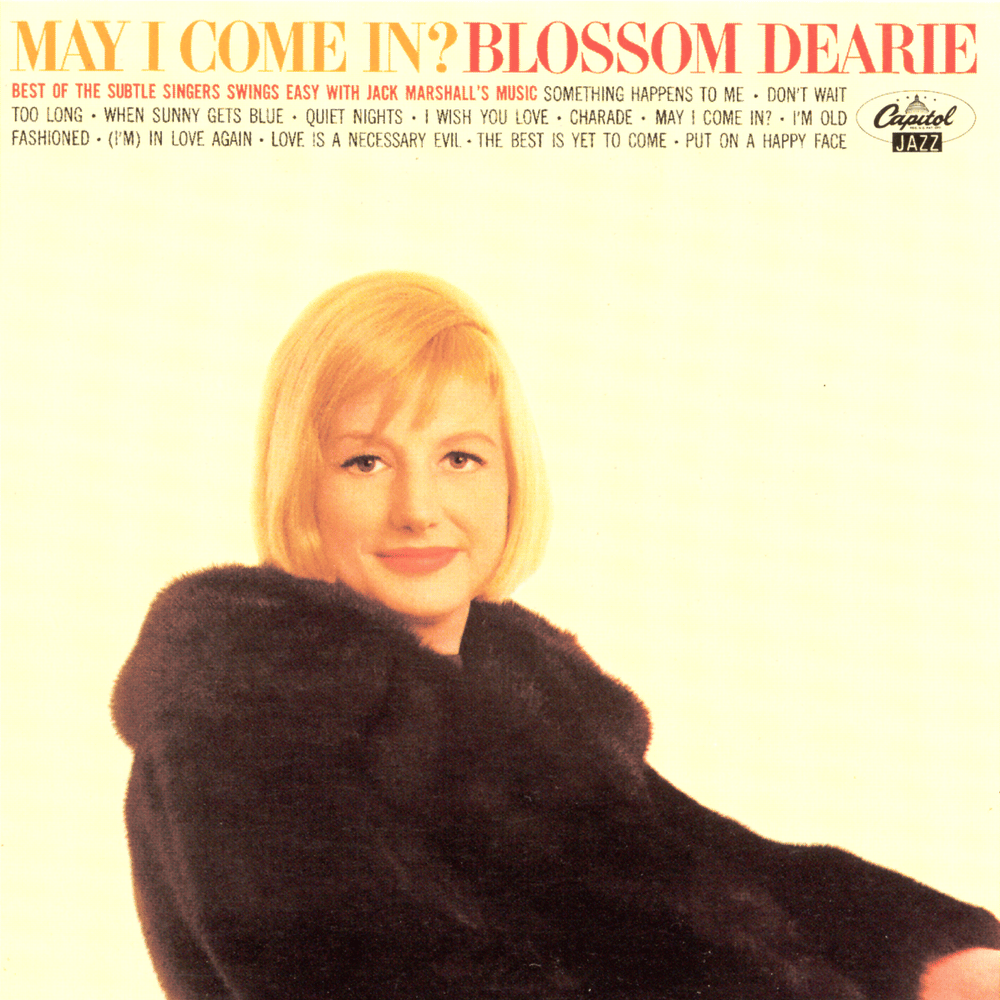
 View Artist