Song Meaning
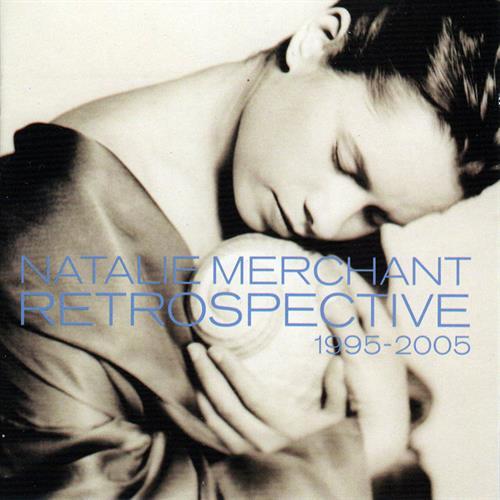
Natalie Merchant's rendition of "But Not For Me" is a masterclass in melancholic self-awareness, a wry look at romantic disappointment that cuts deeper than simple heartbreak. The song, at its core, is an articulation of feeling like an outsider in the grand narrative of love. The opening lines, "They're writing songs of love, but not for me / A lucky star's above, but not for me," immediately establish a sense of exclusion, as if the universal experience of romance is somehow inaccessible to the narrator. This isn't just sadness; it's a recognition of a fundamental disconnect. The "clouds of gray" exceeding even a Russian play suggest a depth of sorrow that's almost theatrical, a self-deprecating acknowledgment of one's own capacity for despair. It's a persona familiar to anyone who's ever felt like romance was a club they couldn't get into.
The song's genius lies in its subtle blend of vulnerability and sardonic wit. The lines "I know that love's a game; I'm puzzled just the same / Was I the moth or the flame?" reveal a mind grappling with the dynamics of attraction and the potential for self-destruction in love. This isn't a passive lament; it's an active questioning of one's role in the relationship's demise. The "moth or the flame" metaphor is particularly potent, suggesting the narrator's awareness of the risks involved in pursuing love, and the possibility that she was either consumed by it or was the destructive force herself. This psychological complexity elevates the song beyond a simple tale of woe.
Ultimately, "But Not For Me" resonates because it captures the feeling of being perpetually out of sync with the romantic ideals society often pushes. The closing lines, where "every happy plot ends with a marriage knot / And there's no knot for me", are especially poignant. It's not just about missing out on love; it's about feeling excluded from the expected trajectory of happiness. The song becomes an anthem for those who find themselves on the periphery of conventional romance, offering a bittersweet, yet undeniably elegant, acknowledgement of their experience. Merchant's interpretation, imbued with her signature blend of intelligence and emotional depth, transforms a classic tune into a profound meditation on love, loss, and the acceptance of one's own unique path.