Song Meaning
The lyrics paint a stark picture of a child's distress, framed by a parent's absence and a suffocating atmosphere. The opening lines, "My lullaby / Hung out to dry," immediately establish a sense of lost comfort and neglect. The repeated, almost childlike question, "What's up with that," underscores confusion and a desperate need for answers in the face of unsettling circumstances. The presence of a "sad" mom and a missing "dad" grounds the narrative in a fractured family dynamic, intensified by the chilling observation, "It's dark in here."
The central tension arises from the narrator's struggle to process pain and trauma, encapsulated by the disorienting refrain, "bleeding is breathing / You're hiding underneath the smoke in the room." This juxtaposition suggests that physical or emotional wounds are being masked or ignored, obscured by a literal or metaphorical haze. The narrator's own physical and emotional numbness is palpable: "My mouth is dry / Forgot how to cry," indicating a deep-seated inability to express or even feel their pain. The repeated actions of being "hurting me" and "pushing me" by an unnamed 'you' amplify the sense of ongoing abuse or neglect.
The most striking aspect of the writing is the inversion of familiar concepts. "Bleeding is breathing" twists the idea of life into a painful, raw state, while "bleeding is believing" suggests that pain is the only tangible reality. The "smoke in the room" acts as a powerful, pervasive image, obscuring truth and preventing escape, a physical manifestation of denial or addiction that traps the narrator and the person they address. The final verses, with the narrator witnessing someone "crawling on the floor" and "falling on the floor," intensify the feeling of helplessness and the devastating impact of this hidden suffering.
This lyrical construction is effective because it uses simple, direct language to convey profound emotional desolation. The repetition of key phrases creates a sense of inescapable dread, mirroring the narrator's trapped state. The ambiguity of the "you" and the "smoke" allows the pain to feel both specific and universally understood as a destructive force. The raw, almost childlike perspective makes the depiction of trauma all the more impactful, leaving the listener with a lingering sense of unease and empathy for the narrator's plight.
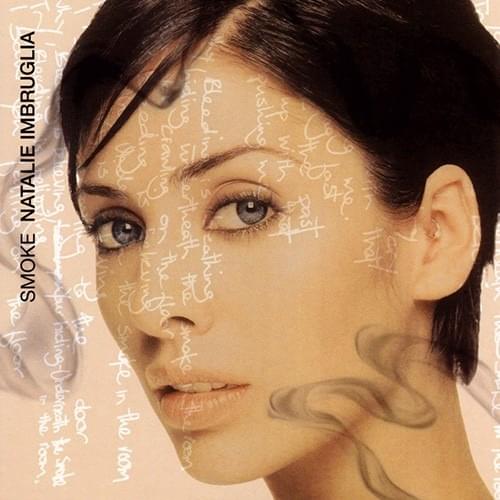
 View Artist