Song Meaning
The lyrics paint a stark picture of a child's distress, beginning with a sense of abandonment and confusion. The opening lines, "My lullaby / Hung out to dry," immediately establish a feeling of neglect, turning a symbol of comfort into something discarded. This is followed by direct questions about parental absence: "Where are you dad / Mom's looking sad," creating a palpable atmosphere of domestic unease and a child's bewilderment at the emotional void. The repeated, almost childlike, refrain "What's up with that?" underscores the narrator's inability to comprehend the unfolding situation.
The central tension arises from the narrator's struggle with emotional numbness and the overwhelming presence of a suffocating environment, symbolized by "smoke." The chorus, "bleeding is breathing / You're hiding underneath the smoke in the room," suggests a painful existence where hurt is equated with being alive, and a significant figure is obscured by this dense, toxic atmosphere. The narrator's own emotional state deteriorates, with "My mouth is dry / Forgot how to cry," indicating a profound detachment from their own feelings, a consequence of the emotional abuse implied by "You're hurting me."
The most striking aspect of the craft is the juxtaposition of simple, almost nursery-rhyme-like phrasing with deeply disturbing imagery. The repetition of "What's up with that?" acts as a grounding, yet increasingly desperate, plea for understanding in the face of adult failings. The chorus's core metaphor, "bleeding is breathing," is a powerful, unsettling equation that frames survival as inherently painful. This is intensified in the final chorus variations, where the obscured figure is seen "crawling on the floor" and "falling on the floor," visually reinforcing the destructive impact of the "smoke" and the narrator's own descent.
These lyrics resonate because they capture the disorienting experience of childhood trauma with unflinching directness. The narrator's inability to process or express their pain, coupled with the visual of someone lost in "smoke," creates a potent sense of helplessness. The writing doesn't offer easy answers; instead, it forces the listener to confront the raw, confusing reality of emotional neglect and the desperate, often silent, struggle for survival within a toxic environment.
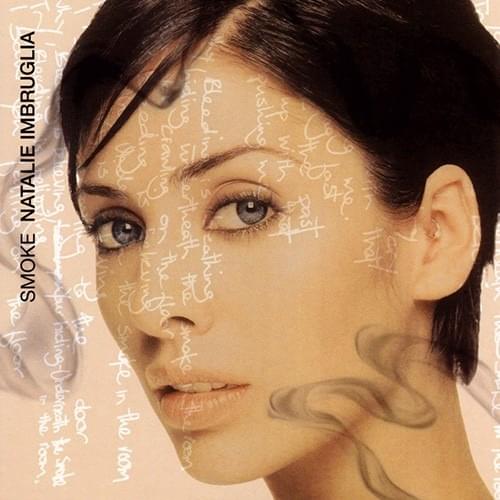
 View Artist