Song Meaning
The lyrics paint a stark picture of an overwhelming, destructive desire that the narrator feels powerless to resist. The opening lines, "Here it comes again / Cannot outrun my desire," establish a sense of recurring compulsion. This isn't a gentle longing; it's a force that necessitates "cover[ing] my descent" and ultimately leads to the desperate act of "throw[ing] the beauty on the fire." This imagery suggests a self-destructive impulse, sacrificing something precious to escape or numb the feeling.
The central tension lies in the conflict between attraction and self-preservation. The narrator is "drawn towards the edge," questioning if they "assume I could fly," a classic metaphor for hubris or reckless pursuit of pleasure. The repeated question, "Why do I drink the feelings dry?" points to a pattern of consuming emotions or experiences to the point of depletion, while the warnings "Don't go too far / Limitation scars" hint at the painful consequences of both excess and restraint.
The most striking aspect is the embrace of oblivion through "Sensory Pleasure." The narrator contemplates being "lost forever" in this state, a chilling prospect that underscores the depth of their struggle. The repetition of "Sensory Pleasure" transforms it from a mere concept into an almost hypnotic mantra, a siren call promising escape but threatening annihilation. This contrasts sharply with the idea of "limitation scars," suggesting that the narrator sees only two extreme paths: painful restriction or complete, potentially fatal, indulgence.
Ultimately, these lyrics resonate because they capture the visceral, often irrational, pull of destructive urges. The writing effectively conveys a sense of being caught in a powerful, self-perpetuating cycle. The narrator's internal monologue, filled with rhetorical questions and desperate pronouncements, makes the struggle feel immediate and intensely personal, leaving the listener with the unsettling feeling of witnessing a soul teetering on the brink.
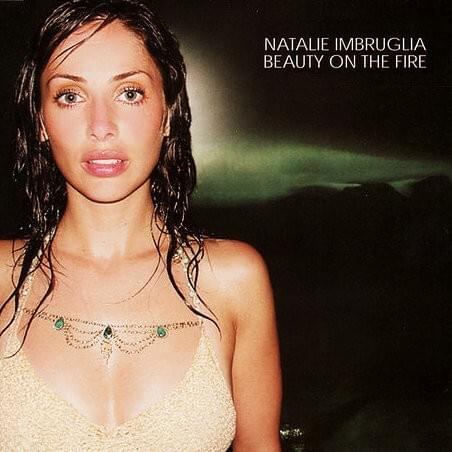
 View Artist