Song Meaning
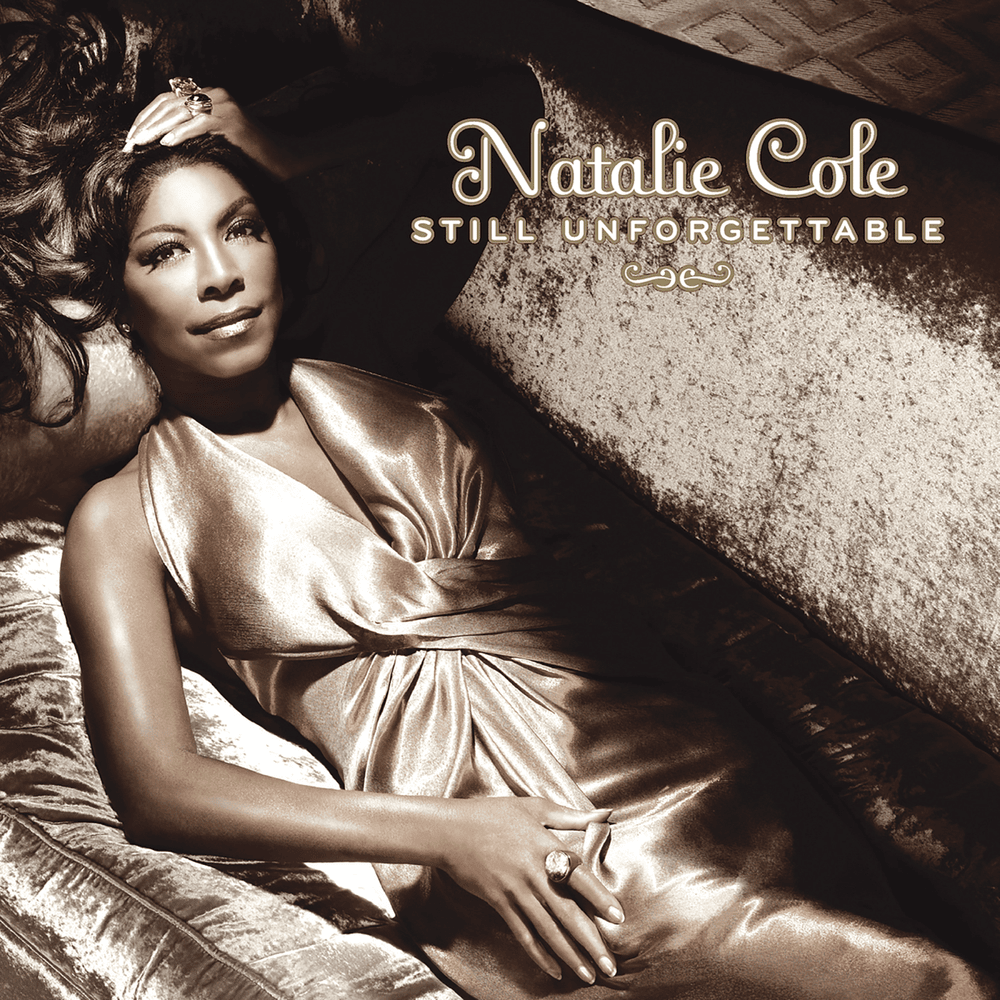
{"song_id": 10373095, "meaning": "Natalie Cole's rendition of \"You Go To My Head\" isn't just a love song; it's a psychological portrait of infatuation. The lyrics paint a vivid picture of someone utterly consumed by another person, to the point where they're almost losing control. It's not about reciprocated love, but rather the intoxicating power of a crush, the kind that hijacks your thoughts and emotions against your will. The opening lines establish this immediately: the object of affection lingers like a \"haunting refrain,\" spinning endlessly in the singer's brain. It's an obsession, not a partnership. The repeated phrase \"You go to my head\" serves as both a confession and a warning. It acknowledges the intoxicating effect of the other person while also hinting at the singer's awareness of its potentially destructive nature.
The song's genius lies in its use of sensory imagery to convey the feeling of being head-over-heels. Comparisons to champagne bubbles, Burgundy brew, and juleps aren't merely romantic flourishes; they evoke the giddy, slightly disoriented state of being infatuated. The \"thrill of the thought\" of reciprocation is a spell, a temporary escape from reality. But the lyrics don't shy away from the darker side of this obsession. There's a constant internal struggle, a desperate attempt to \"get a hold\" of oneself, to recognize that \"it never can be.\" This internal conflict adds depth to the song, transforming it from a simple love letter into a study of self-deception and the power of longing.
Ultimately, \"You Go To My Head,\" as interpreted by Natalie Cole, exposes the vulnerability inherent in allowing someone else to occupy so much space in your mind. The heat metaphor – \"a smile that makes my temperature rise / Like a summer with a thousand Julys\" – is less about physical attraction and more about the feverish intensity of unchecked desire. The closing lines, repeating the title, emphasize the cyclical nature of this obsession. Even knowing it's futile, the singer can't escape the other person's hold. It's a bittersweet acknowledgment of the power of the human heart to both create and endure its own suffering. The song's meaning, therefore, transcends simple romance, delving into the complexities of longing and the internal battles we wage when our desires clash with reality."}
 View Artist