Song Meaning
The lyrics of "Światło nocne" immediately establish a tension between public presentation and private vulnerability. The speaker notes, "Na pierwszy rzuty oka wyglądam jak chłopak," suggesting an initial appearance that might belie a deeper truth. In a city that "nie chroni," the speaker relies on "zbroi"—armor—to navigate a seemingly hostile environment.
This protective shell is only shed in intimate moments: "tylko czasami gdy jesteśmy sami / Zdejmujesz ze mnie zbroję." The world outside is painted with stark, cynical strokes, where waking up is hard in a place that's "ciemno i brudno." The ironic description of "Kolejny dzień w raju" among people "na haju" and "znużonych ojczyzną" highlights a profound disillusionment with society, making the armor a necessary daily uniform.
The repeated refrain, "Od światła dziennego / Wole światło nocne," becomes a central motif. Daylight seems to represent the performative, armored existence, while night offers a preferred space—perhaps for authenticity, escape, or a different kind of truth. The act of choosing clothes is framed as an "akt przetrwania," underscoring how even mundane choices are part of maintaining a facade.
The lyrics culminate in a powerful, almost surreal vision of transcendence. The speaker yearns to "Popłyńmy daleko / Za tęcze, za dekolt," seeking a profound escape. This journey leads to a reimagined spiritual figure: "Spotkamy tam Jezusa / On będzie kobietą." This striking image challenges conventional norms of gender and spirituality, suggesting a longing for a more inclusive, authentic truth that exists beyond the superficiality and disillusionment of the everyday world.
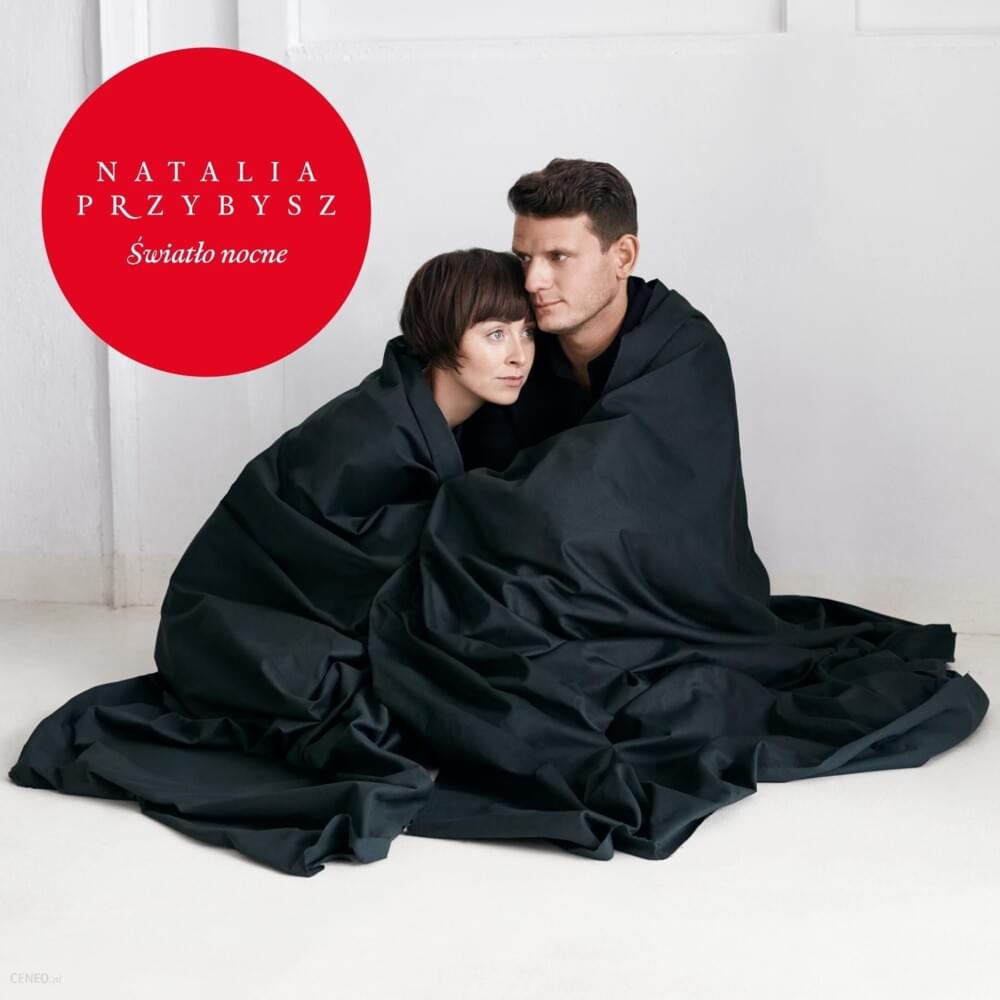
 View Artist