Song Meaning
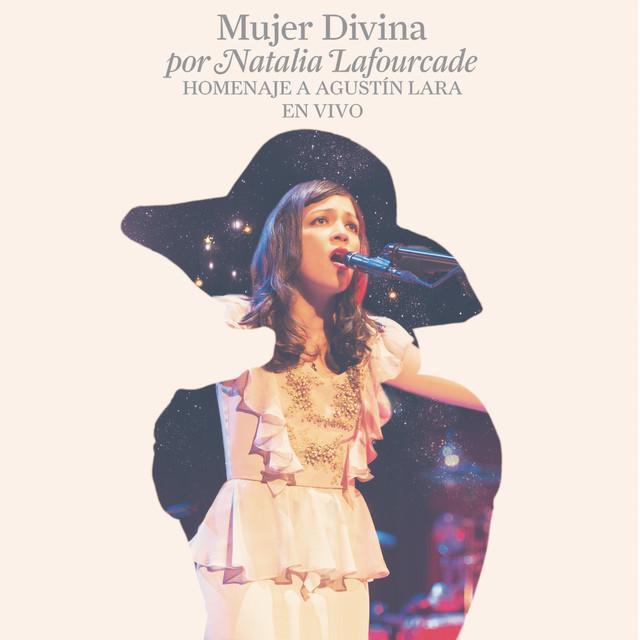
This live rendition of "Piensa en Mí" paints a raw, almost desperate portrait of devotion. The narrator's plea is simple yet profound: "Think of me" when sorrow strikes or tears fall. It's a request born from a deep-seated need to remain relevant in the beloved's emotional landscape, even amidst their suffering. The lyrics immediately establish a tone of intense vulnerability, framing the beloved's image as divine and their innocence as the catalyst for the narrator's own fallibility.
The central tension lies in the narrator's all-consuming dependence. They explicitly state, "I don't want it at all / It's no use to me without you," revealing a self that ceases to have value or purpose in the absence of the other. This isn't just about missing someone; it's about a complete erosion of self-worth tied to their presence. The plea to be remembered even when the beloved might wish to "take my life" highlights an extreme, almost masochistic, desire to be part of their existence, no matter how painful.
The most striking aspect is the juxtaposition of veneration and the dark implication of the beloved's influence. The narrator calls the beloved's mouth "divine" and "childlike," yet it's this very innocence that "taught me to sin." This creates a complex dynamic where the object of worship is also the source of the narrator's perceived transgression. The repeated command to "think of me" acts as an anchor, a desperate attempt to control the narrative of their shared past and present, even as the final "I think of you..." suggests the cycle of obsession is mutual.
Ultimately, the power of these lyrics stems from their unflinching portrayal of a love that borders on obsession, where the narrator's identity is inextricably bound to the beloved. The raw emotional plea, amplified by the live setting, makes the dependence palpable. It's this stark admission of needing to be remembered, even in the darkest moments of the other's pain or anger, that resonates, showcasing a profound, albeit unhealthy, connection.