Song Meaning
The lyrics paint a stark picture of a relationship outgrowing its initial bounds, with the narrator feeling stifled by a love that no longer fits. The opening lines immediately establish a sense of discomfort and distance, as the narrator declares, "I'm growing out of your love," comparing it to an "old dress" that's too tight. This physical metaphor underscores a fundamental shift, signaling that the emotional intimacy once shared has become constricting rather than comforting. The repeated phrase, "And don't call me yours anymore," serves as a firm boundary, a clear rejection of the possessive claim that no longer aligns with her feelings.
The central tension lies in the narrator's assertion of selfhood against a partner's lingering expectations. The chorus is a powerful declaration: "But I, listen, dear, am not a toy." This isn't just about ending a relationship; it's about reclaiming agency and refusing to be treated as an object to be manipulated or cherished passively. The imagery of not melting "in your hands / Like a little wax doll" directly contrasts with a perceived past vulnerability, highlighting a newfound resilience and a grounded reality. She emphasizes, "I'm real, do you hear, simply / I'm no longer floating in the clouds," indicating a departure from a more idealistic or perhaps dependent state.
The lyrical craft effectively uses contrasting imagery to convey this transformation. The initial image of a constricting "old dress" and the later refusal to be a "wax doll" both speak to a rejection of being defined or contained by another. The repeated plea to "don't call me yours anymore" acts as a refrain of separation, while the chorus's insistent "I'm not a toy" hammers home the core message of self-possession. The shift from past intimacy, suggested by "don't stir up old feelings," to a desire for platonic distance, "Let's just remain friends," is handled with a poignant acknowledgment that "those bridges that were between us / Can no longer be connected."
This song resonates because it articulates the difficult but necessary process of personal evolution within a relationship. The narrator's firm, clear language, devoid of excessive sentimentality, conveys a quiet strength. By rejecting the role of a passive object – a "toy" or a "doll" – and asserting her "realness," she captures the universal experience of outgrowing old dynamics and demanding to be seen as an independent individual. The final lines, asking to be "kept at the bottom of the soul," suggest a desire for a respectful, albeit distant, memory, rather than a complete erasure, adding a layer of mature acceptance to the firm boundary.
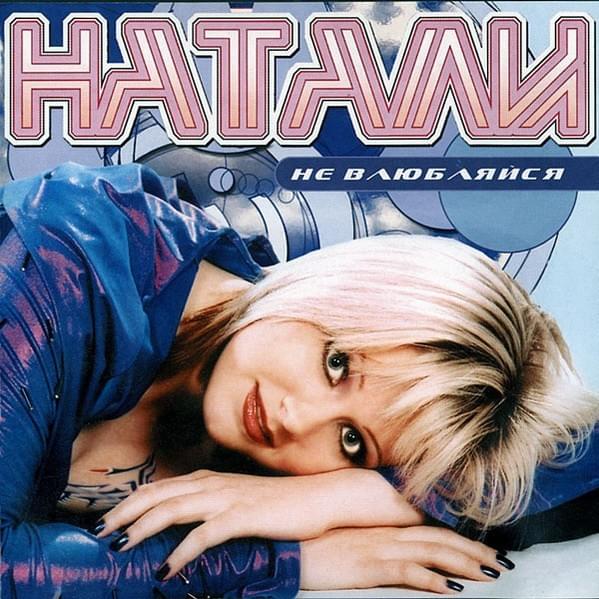
 View Artist