Song Meaning
The narrator is caught in a frustrating push-and-pull, feeling a strong romantic or physical attraction that clashes with the object of his affection's insistence that they are "too young to go steady." He's grappling with her pronouncements of unreadiness, questioning the logic behind her delay when his own feelings are so potent. This creates an immediate tension between his internal experience and her external pronouncements.
The core conflict lies in the narrator's perception of their maturity versus hers. He sees them as "grown up" and feels driven "wild," yet she consistently frames their situation through the lens of youth and a need to "wait." This disparity fuels his frustration, making him question her emotional response and her perceived emotional distance, wondering if she's "made of stone" or deliberately acting "like a child."
The lyrics effectively use repetition to hammer home the narrator's central complaint and his eventual, slightly petulant, prediction. The phrase "Too young to go steady" is echoed, highlighting the source of his exasperation, while the repeated refrain of "Someday she'll be sorry" and "She'll wish she'd gone steady with me" reveals a simmering resentment and a belief that she's making a mistake she'll later regret.
This song resonates because it captures a specific kind of youthful romantic impatience. The narrator's direct, almost pleading questions and his eventual, slightly dramatic, pronouncements of future regret tap into the universal feeling of being misunderstood or having one's desires dismissed. The writing makes his frustration palpable, turning a simple disagreement into a dramatic plea for recognition of his feelings and perceived maturity.
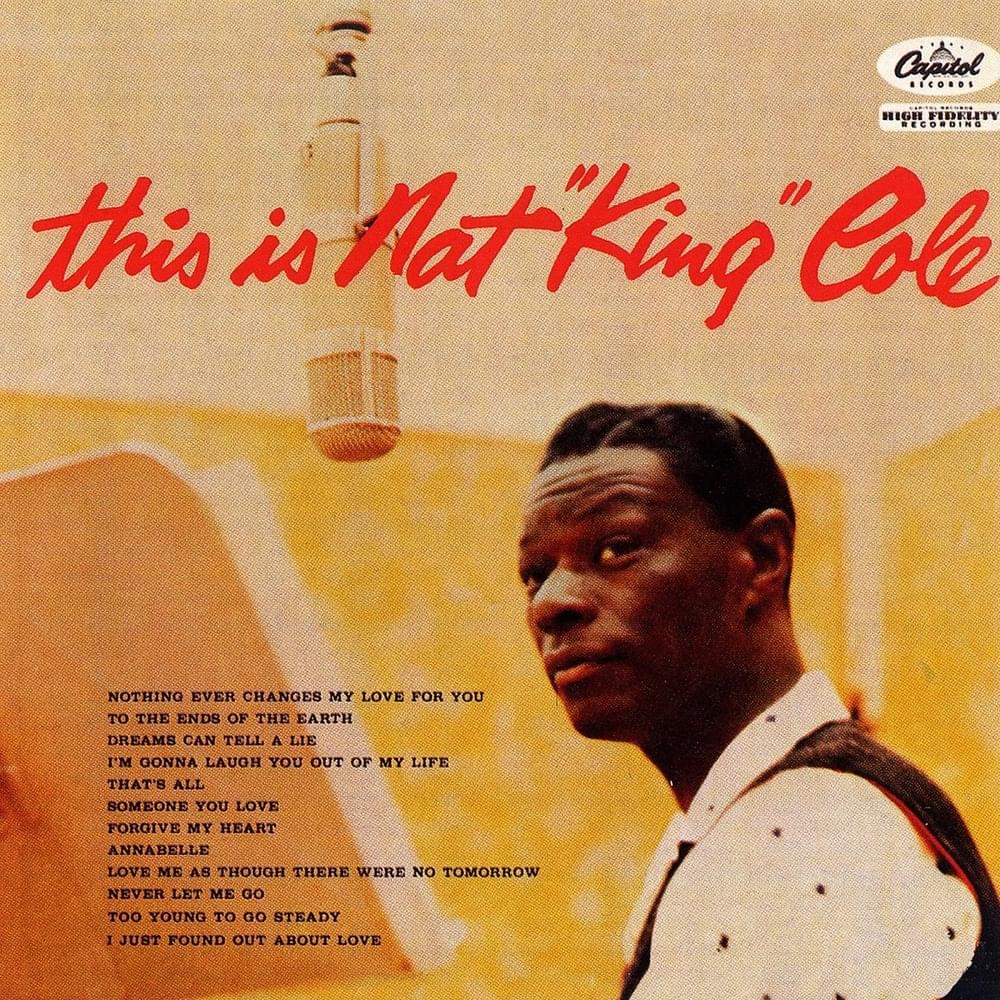
 View Artist