Song Meaning
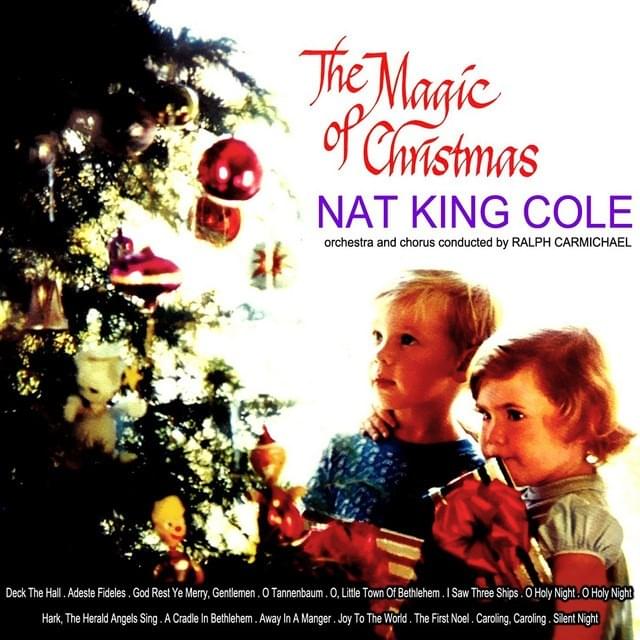
This classic carol paints a vivid picture of festive preparation and communal celebration. The opening lines immediately set a scene of decorating, urging listeners to 'Deck the halls with boughs of holly.' This imagery, coupled with the instruction to 'Don we now our gay apparel,' suggests a deliberate, active embrace of the holiday spirit. The repeated 'Fa-la-la' refrain acts as a joyful, almost infectious, vocalization of this merriment, underscoring the communal and lighthearted nature of the season.
The core emotional drive appears to be an exhortation towards joy and togetherness. The lyrics encourage participation in traditional activities, from singing 'ancient Yuletide carols' to gathering around a 'blazing Yule.' The phrase 'Tis the season to be jolly' isn't just a statement; it's a directive, a call to actively embody the festive mood. The imagery of striking the harp and joining the chorus further emphasizes this collective participation, aiming to create a unified atmosphere of cheer.
The most striking craft element is the pervasive, almost hypnotic, repetition of the 'Fa-la-la' refrain. This non-lexical vocable functions as pure sonic expression of happiness, filling the spaces between the more descriptive lines and reinforcing the overall mood. It’s less about conveying specific information and more about creating an immersive feeling of unadulterated, simple joy. This constant, upbeat sound serves to amplify the sense of merriment and encourage a carefree, singalong spirit.
Ultimately, the effectiveness of these lyrics lies in their directness and their focus on sensory and participatory experiences. They don't complicate the message; instead, they provide clear, actionable instructions for creating a joyful atmosphere. The emphasis on shared activities like decorating, singing, and gathering around a fire, all set to an undeniably cheerful tune, makes the call to be 'jolly' feel both achievable and deeply ingrained in the fabric of the season.
 View Artist