Song Meaning
The lyrics paint a stark, almost surreal picture of a relationship where one person demands extreme, violent acts from the other, yet frames it as a twisted form of necessity. The opening lines immediately establish a sense of impossible burden and targeted aggression, with the narrator describing themselves submerged in a "suit of lead" while the other person "throw[s] rocks at my head." This sets a tone of overwhelming pressure and deliberate harm, questioning the aggressor's motives with a direct, "Is this what you really need?"
The central tension lies in the narrator's paradoxical plea for continued abuse, encapsulated by the repeated, almost desperate refrain, "Beat me senseless." Despite the graphic imagery of physical torment – being "cut me open," having me bleed," having arms twisted, bones broken, and laying on "burning coals" – the narrator insists on a distinction: "Break my will, don't take my soul." This suggests a desire to endure the pain, perhaps as proof of love or commitment, while desperately trying to preserve some core aspect of themselves.
The most striking craft element is the jarring juxtaposition of violent imagery with the almost casual, almost encouraging repetition of "No pain, no gain" and "Come on do it again." This phrase, typically associated with self-improvement or athletic training, is weaponized here to normalize and even solicit extreme abuse. The narrator's plea "I want you back" after listing a litany of self-inflicted suffering, including "Swallow fire, walk on glass," reveals the desperate, masochistic core of this dynamic – the pain is a means to an end, a way to force a connection or elicit a response from someone who seems otherwise distant or uncaring.
Ultimately, these lyrics resonate because they tap into a raw, uncomfortable truth about certain destructive relationship patterns. The effectiveness comes from the unflinching, almost detached cataloging of abuse, contrasted with the narrator's desperate, contradictory desire for the very person inflicting the pain. It’s the sheer audacity of asking for more torment, framed by a warped logic of "no pain, no gain," that makes the plea so unsettling and memorable.
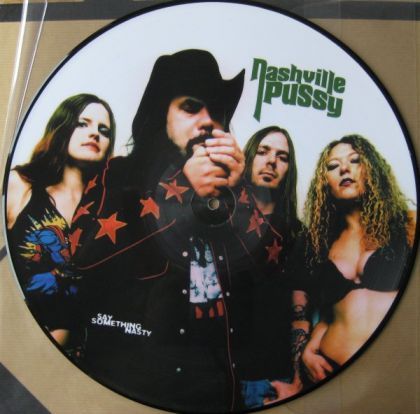
 View Artist