Song Meaning
The lyrics paint a vivid, almost surreal picture of a roadside encounter with law enforcement that quickly devolves into a humiliating and unwarranted search. The narrator, a touring musician, describes being pulled over and subjected to invasive, degrading treatment by state troopers. The initial tone is one of bewildered annoyance, quickly escalating to outrage as the arbitrary nature of the stop and the officers' actions become clear. The imagery of troopers peeing on the van and a dog sniffing the narrator's crotch sets a tone of absurd violation.
The central tension lies in the narrator's powerlessness against perceived abuse of authority, juxtaposed with a defiant refusal to be cowed. The officers claim to have found 'something' but refuse to specify or show evidence, leaving the narrator feeling 'just getting screwed.' This lack of justification fuels the core message of the chorus: 'Ain't your business, ain't your business.' The narrator asserts that the officers' intrusive actions are unwarranted and that their badge does not grant them dominion over his personal space or life.
The most striking aspect is the raw, unvarnished language used to describe the humiliation. Phrases like 'Spread your cheeks let's see what you got up there' are shocking and visceral, emphasizing the sexualized nature of the violation. This directness, combined with the narrator's desperate call to his wife and mama, highlights the profound sense of vulnerability and the desire for escape. The shift from the immediate trauma to the dream of 'words I wish I could have said' and then to the defiant 'catch me if you can' shows a psychological arc from victimhood to empowered resistance.
Ultimately, these lyrics resonate because they tap into a primal frustration with arbitrary power and invasion of privacy. The narrator's transformation from a target of humiliation to someone who reclaims agency, even through defiant taunts, is compelling. The song captures a specific, ugly moment and transforms it into a universal anthem against overreach, grounded in the gritty reality of the narrator's experience and his refusal to let the encounter break his spirit.
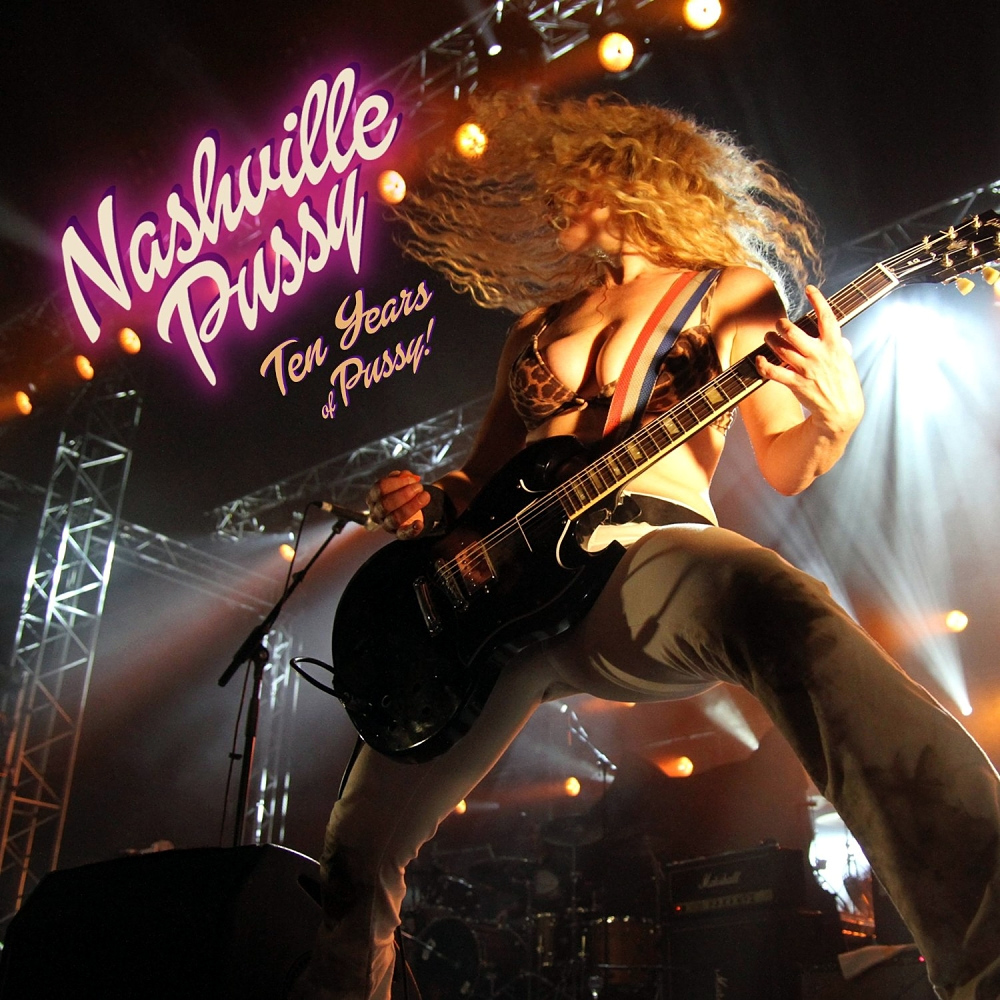
 View Artist