Song Meaning
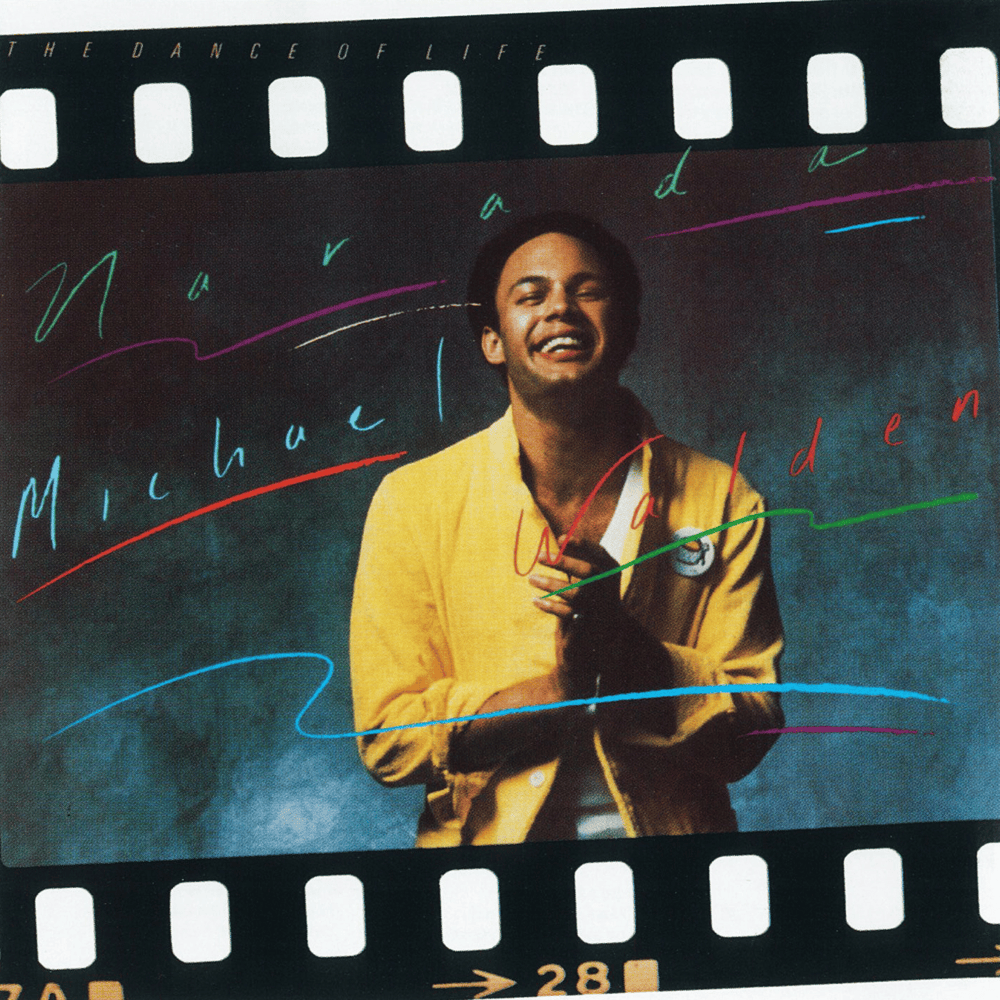
Narada Michael Walden's "Why Did You Turn Me On" is a masterclass in romantic disillusionment, dissecting the raw nerve endings of a love that ignited with promise only to be extinguished with callous indifference. The track is less a love song and more a forensic examination of the emotional wreckage left behind when intimacy becomes a fleeting illusion. The lyrics paint a stark picture of vulnerability exposed, of a heart laid bare only to be met with the cold reality of abandonment. It's the age-old question of why someone would initiate a connection, spark a flame, knowing full well they intended to walk away, leaving the other person to grapple with the aftermath. Walden's song meaning lies in this central paradox: the cruelty inherent in offering a glimpse of profound connection only to snatch it away.
The recurring refrain, "Why did you turn me on / If you knew one day you'd be gone?" serves as the emotional core, a desperate plea for understanding in the face of inexplicable heartbreak. It's a question that lingers long after the song ends, resonating with anyone who has experienced the sting of unrequited or transient affection. The lyrics aren't just about romantic love, but also about the broader human need for connection and the inherent risks involved in opening oneself up to another person. The lines, "Heart on the line / Must stand up to tests of time / I guess what is most secure / Is bound to lose," suggest a cynical acceptance of love's inherent fragility, a recognition that even the strongest bonds are susceptible to dissolution.
Beyond the surface level of romantic lament, "Why Did You Turn Me On" touches on deeper psychological themes of attachment and betrayal. The act of "turning someone on" implies not just physical attraction, but also an emotional awakening, a stirring of hope and possibility. To then withdraw that connection is a form of emotional manipulation, leaving the recipient feeling used and discarded. The song's power lies in its unflinching portrayal of this vulnerability, its willingness to confront the uncomfortable truth that love can be a double-edged sword, capable of both exquisite pleasure and devastating pain. It's a cautionary tale about the importance of emotional responsibility and the lasting impact of our actions on the hearts of others.
 View Artist