Song Meaning
The narrator, a "pobre caboclo" (poor countryman), expresses deep frustration with a system where his hard work is not rewarded. He states plainly, "Mas plantar prá dividir / Não faço mais isso, não" (But to plant to divide / I won't do that anymore). This isn't just about personal hardship; it's about the unfair distribution of the fruits of his labor, where his harvest is shared with those who "não plantou nada" (didn't plant anything).
The core tension lies between the narrator's innate skill and desire to work the land and the exploitative conditions that make it unsustainable. He longs to "bater enxada no chão / Com força, coragem, com satisfação" (swing the hoe on the ground / with strength, courage, with satisfaction) and is confident in his ability to produce crops like "feijão, arroz e café" (beans, rice, and coffee). However, the current arrangement benefits others, like "o doutor" (the doctor/gentleman), who receives produce in exchange for a tractor, suggesting a stark power imbalance and a lack of direct benefit for the laborer.
The lyrics highlight a poignant contrast between the natural abundance of the "sertão" (backlands), even with "Deus até tá ajudando / Tá chovendo" (God is even helping / it's raining), and the human-made injustice. The narrator's decision to leave his homeland, "Mesmos os olhos cheios d'água / E com dor no coração" (Even with eyes full of water / And with a heart full of pain), underscores the severity of this conflict. He is driven to seek work in the city, "Vou pro Rio carregar massas / Pros pedreiros em construção" (I'll go to Rio to carry loads / For the construction workers), a stark shift from cultivating life to building for others under potentially similar exploitative terms.
This narrative resonates because it captures a universal struggle against systemic inequity, expressed through the specific, grounded voice of a laborer. The direct, unadorned language and the repeated refrain emphasize a breaking point, a refusal to continue a cycle of unrewarded effort. The imagined future where "Eu mando feijão, ele manda tractor" (I send beans, he sends a tractor) reveals a desire for a fair exchange, a partnership rather than exploitation, making the narrator's plight and his decision to leave deeply felt.
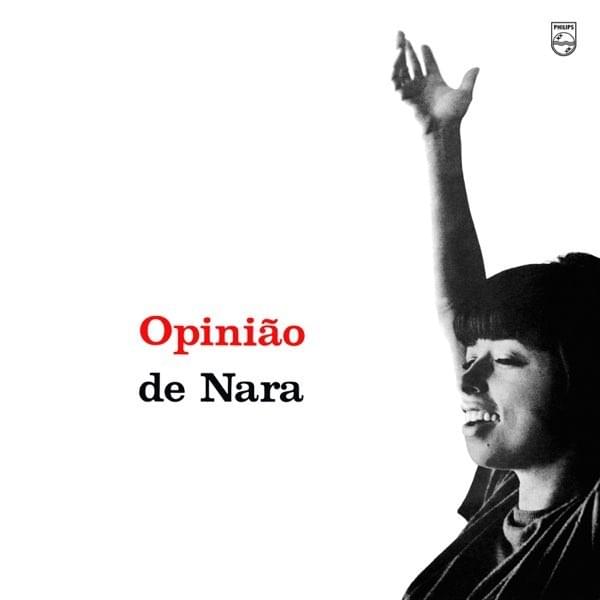
 View Artist