Song Meaning
The narrator paints a poignant picture of unrequited affection, likening her solitary love to a garden devoid of blooms. This initial image sets a tone of quiet melancholy, a longing for connection that feels distant and unfulfilled. The core of the song resides in this aching distance, a chasm between the narrator's intense feelings and the beloved's unawareness.
The lyrics articulate a profound sense of saudade, a Portuguese word for a deep emotional state of nostalgic or profound melancholic longing for something or someone that one cares for and/or loves. This saudade is amplified by the sheer distance separating the narrator from her love, a distance described as greater than that to a star. It’s a love that exists intensely within her but remains entirely unknown to its object, creating a painful paradox.
A striking element is the personification of the star and the direct address to it, asking it to descend and affirm that love exists. This plea suggests a desperate need for external validation of her internal experience. The desire to become the beloved's "primavera" (spring) and then to "morrer" (die) is a powerful, almost sacrificial expression of love, wanting to bring life and beauty to him, even at the cost of her own existence.
Ultimately, the song’s emotional resonance stems from its delicate portrayal of love’s solitary nature and the yearning for reciprocity. The narrator’s craft lies in these vivid, almost heartbreakingly simple images of a garden without flowers and a love as distant as a star, capturing the universal ache of loving someone who doesn't know you exist.
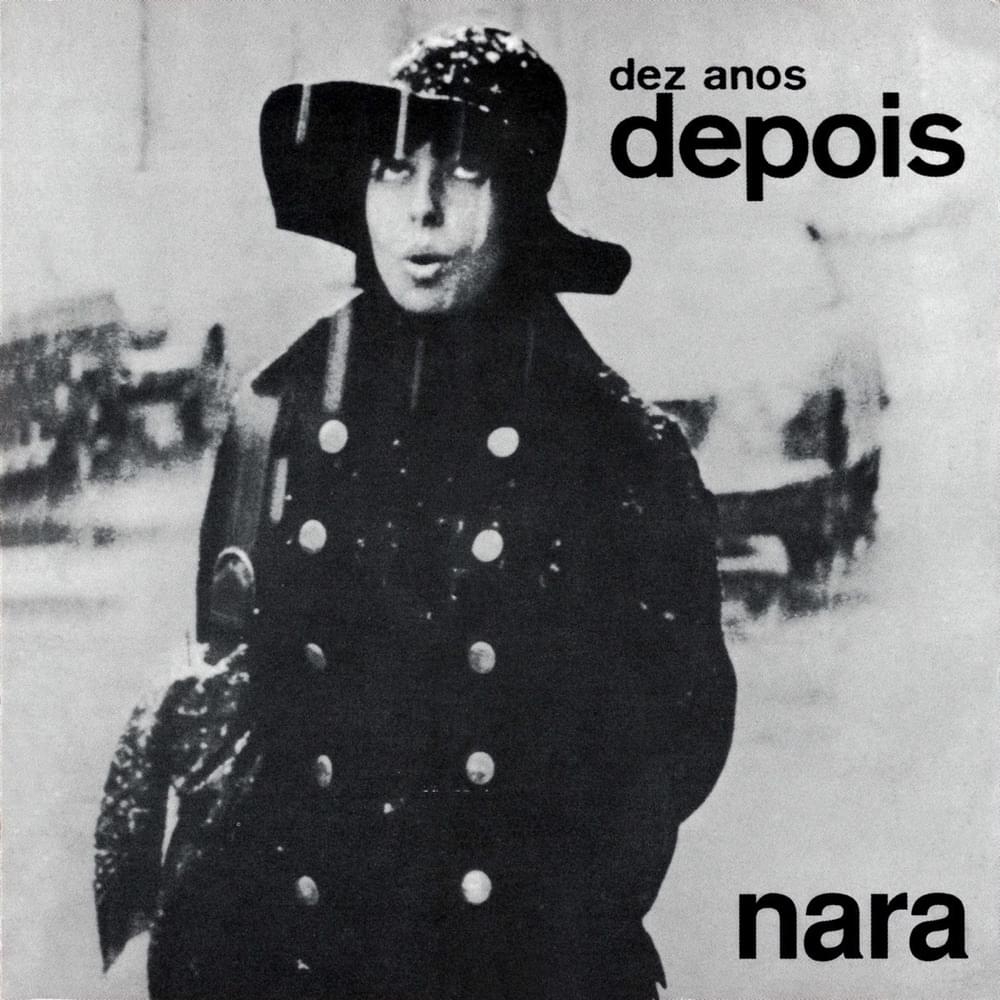
 View Artist