Song Meaning
In the heart of Mangueira, the passing of a poet isn't just mourned; it's celebrated. The lyrics paint a picture of a community where death, specifically the death of a poet, elicits tears, but these aren't tears of pure sorrow. Instead, there's an unusual joy woven into the grief, a "pranto sem lenço que alegra a gente" – a tearless cry that uplifts people. This suggests a profound cultural value placed on artistic expression and the legacy it leaves behind.
The narrator finds solace in this tradition, expressing a desire to be remembered with similar fervor. The anticipation of someone crying for them, "sei que alguém há de chorar quando eu morrer," is a source of comfort. This isn't about morbid fascination, but about the deep human need for connection and the assurance that one's existence made an impact, however small. The specific mention of instruments like the "pandeiro e de um tamborim" grounds this remembrance in a vibrant, rhythmic celebration, not a somber silence.
The most striking aspect is the paradox of "pranto sem lenço que alegra." It implies a cathartic, communal outpouring that, rather than solely focusing on loss, acknowledges the beauty and enduring spirit of the departed artist. This unique expression transforms mourning into a testament to life and art, suggesting that in Mangueira, a poet's death is a reminder of their vibrant contribution, celebrated through music and shared emotion.
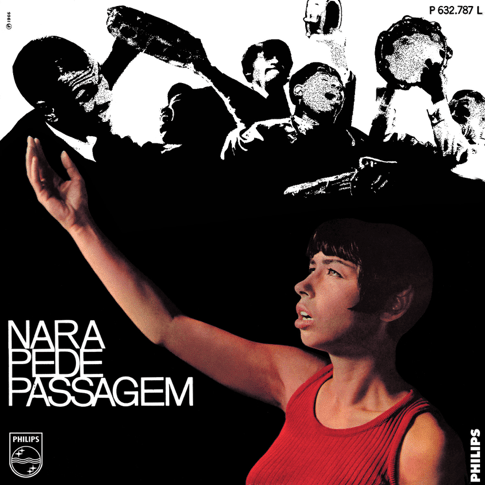
 View Artist