Song Meaning
This track paints a vivid picture of betrayal and heartbreak, centered around a lover's infidelity. The narrator's "moreno" took advantage of her absence, bringing another woman into their shared space, their "barracão." The dominant emotion is a deep sense of hurt and despair, so profound it makes singing impossible and brings a desire to cry and even die.
The core conflict lies in the narrator's agonizing imagination of her lover with someone else, specifically the image of another woman dancing for him. This mental replay is unbearable, transforming any potential joy into sorrow. The lyrics emphasize the sting of this betrayal by detailing how the "moreno" seemingly disrespected their shared life, letting another woman wear the narrator's "peignoir" and use her "sandália de veludo" for dancing, all while the narrator was away working to survive.
The most striking aspect is the stark contrast between the narrator's sacrifice and her lover's actions. She was "me acabando / Trabalhando pra viver" – exhausting herself to live – while he was engaging in infidelity within their home. The specific details of the borrowed clothing and the forced performance "para inglês ver" (for show, for outsiders) amplify the humiliation and the sense of violation. This isn't just infidelity; it's a public display of disrespect enacted within the intimate space of their home.
Ultimately, the power of these lyrics comes from their raw, unvarnished expression of pain. The repetition of "Dá vontade de chorar, e de morrer" hammers home the overwhelming despair. The narrator isn't just sad; she feels utterly broken, her world collapsing around the imagined scene of her lover's betrayal and the subsequent humiliation.
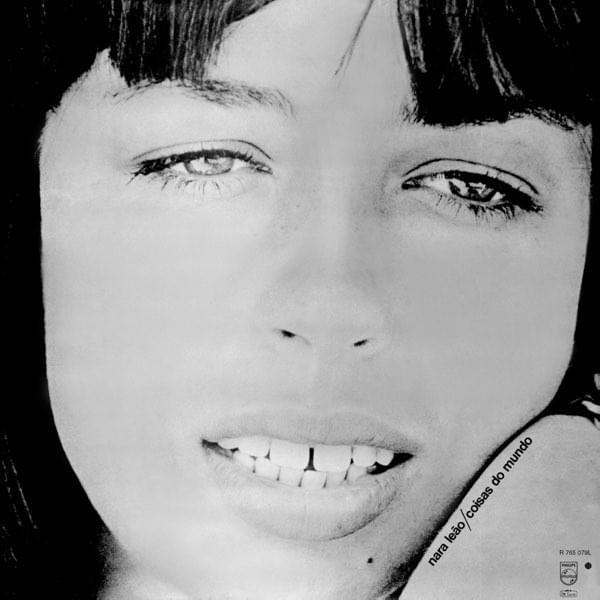
 View Artist