Song Meaning
The lyrics paint a raw picture of grief and disbelief, centered around the absence of 'Mãe' (Mother). The narrator grapples with a profound sense of injustice, repeatedly stating, "Essa vida tão injusta" (This life so unfair). There's no pretense of healing; the pain is ongoing, yet a flicker of hope persists with the line, "Mas um dia isso vai acabar" (But one day this will end). The core of the song lies in this unresolved sorrow and the aching void left by the mother's absence, a feeling so strong it makes the narrator question the fairness of life itself.
The central tension arises from the conflict between the narrator's inability to accept the unfairness of life and the lingering hope for an end to suffering. The repeated plea, "Tanta falta me faz você" (I miss you so much), and the wish "Queria ver você em casa" (I wanted to see you home) underscore the depth of this loss. This longing is directly tied to the concept of the narrator's birthday, which becomes a focal point for reflecting on time, loss, and the mother's enduring presence through love.
The most striking element is the juxtaposition of personal loss with the stark enumeration of birth and death dates, culminating in the repeated, almost frantic, assertion about age: "Eu já não tenho 29" (I no longer have 29). This suggests a significant birthday, perhaps the narrator's own, marked by the mother's absence and a profound reckoning with time. The dates – 1935, 1963, 1989 – could represent the mother's birth, death, and perhaps a significant event related to the narrator, all framing the current moment of grief and the narrator's own age, which is now tied to a specific, painful milestone.
What makes these lyrics resonate is their unflinching honesty about grief. The repetition of "O amor que eu tenho por você é seu" (The love I have for you is yours) is a powerful affirmation of enduring connection, even in the face of profound loss. The song doesn't shy away from the difficulty of accepting life's injustices, making the narrator's struggle feel immediate and deeply human. The final lines about age and the specific dates create a poignant sense of time passing, loss accumulating, and a birthday that is anything but celebratory.
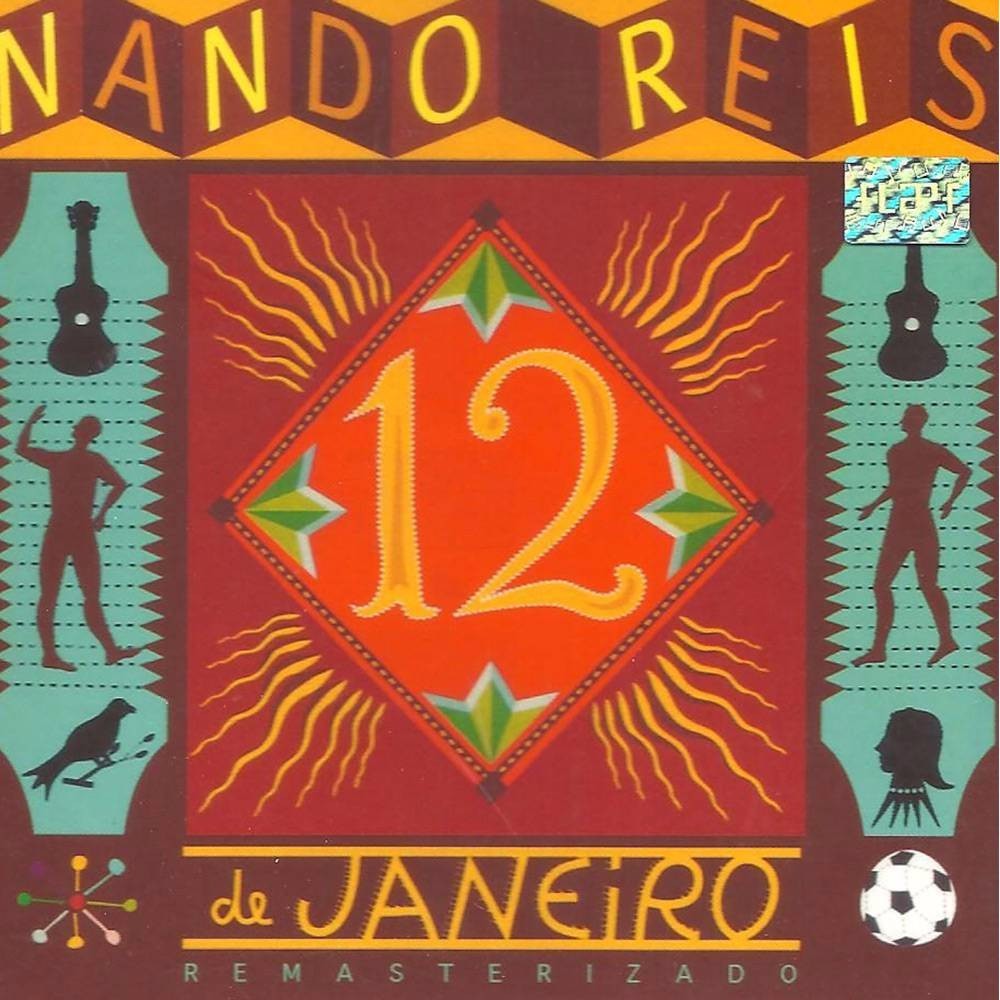
 View Artist