Song Meaning
The lyrics paint a picture of a bittersweet farewell, framed by a profound appreciation for a shared past and the hopeful anticipation of the future. The opening lines establish a tone of contented reflection, celebrating "the life we knew how to make" and finding joy in the simple act of observation and connection – "to look, to kiss, and to hear singing." This initial warmth, however, is tinged with an awareness of impending separation, as the narrator acknowledges a future where they will no longer see the other person, at least for a time.
The central tension arises from the narrator's determined resolve not to cry, a sentiment echoed for the other person and even for "nobody." This insistence on emotional restraint, particularly in the face of saying goodbye, suggests a conscious effort to preserve the positive memories and the dignity of the relationship. The phrase "You can understand / That I won't see you anymore / For now" underscores the temporary nature of the parting, offering a sliver of hope amidst the sadness, and the repeated "I love you" serves as a final, enduring affirmation.
The craft here is in the delicate balance between past joy and present sorrow. The repetition of "It's good" ("É bom") in the opening verses creates a warm, almost nostalgic glow, emphasizing the value of what was. This contrasts sharply with the more somber, yet still resolute, declarations of "I won't cry." The line "For thinking too much I preferred not to think / Too much this time" reveals a struggle with the weight of the situation, leading to a decision to embrace the present moment rather than dwell on the pain of separation.
Ultimately, the effectiveness of these lyrics lies in their honest portrayal of love's complexities. It's not about a dramatic breakdown, but a quiet, mature acceptance of circumstances. The narrator finds strength in cherishing the good times and in the enduring power of love, even when physical presence is absent. The repeated promise not to cry, coupled with the loving farewell, creates a poignant and deeply human moment, suggesting that true connection can transcend temporary distance.
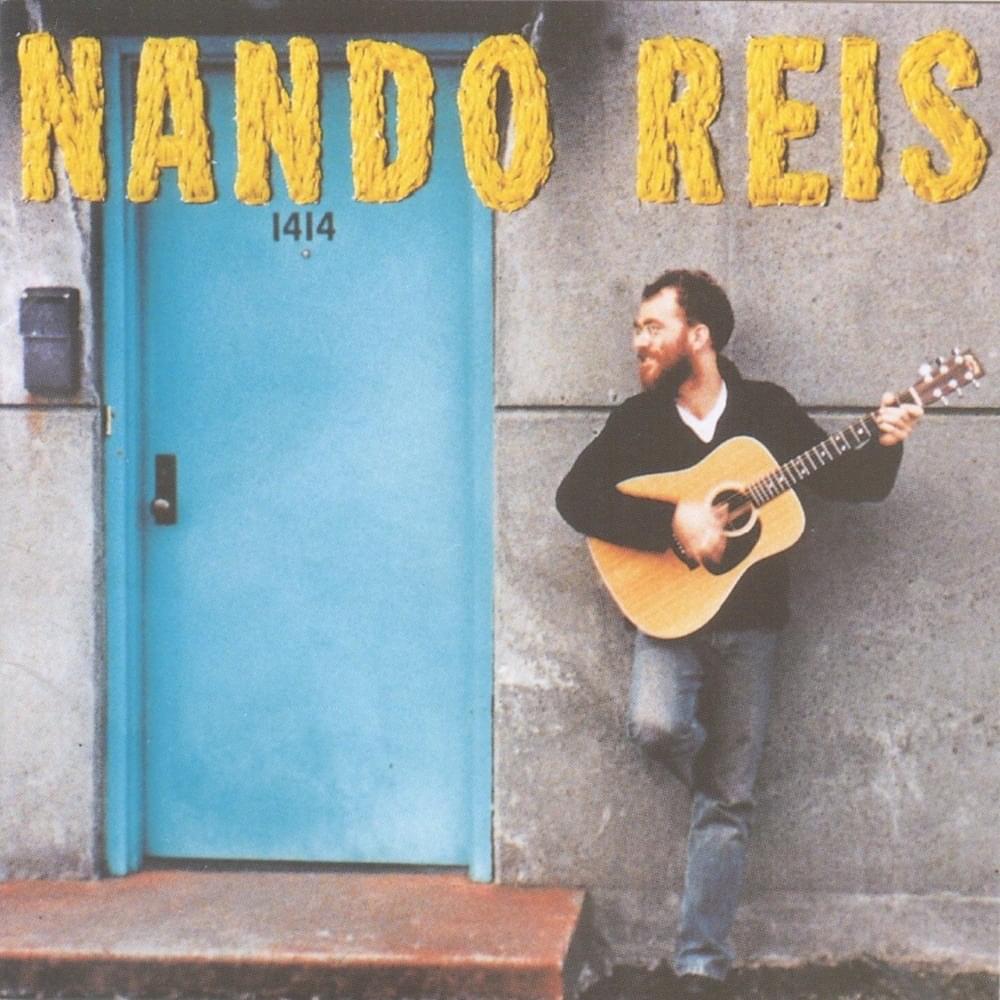
 View Artist