Song Meaning
The lyrics paint a stark picture of lingering devotion within a desolate domestic space. The narrator implores a returning figure not to be surprised, but to focus on self-care and tending to the house, which is described as "nothing without you." This immediately establishes a tone of profound dependence and a life put on hold, centered entirely around the absent person's presence and actions. The house itself becomes a vessel for the narrator's emotional state, reflecting their internal emptiness.
The central tension lies in the narrator's enduring, almost masochistic, wait for someone who has clearly caused them immense pain. They confess to "dying every year" while waiting, a powerful image of repeated emotional death. Yet, they also plead, "don't blame me," admitting their own inability to comprehend "abandonment" beyond their experience of love and waiting. This creates a complex emotional landscape where the victim also feels a sense of helplessness and perhaps even complicity in their own suffering.
The most striking aspect of the craft is the persistent personification of inanimate objects and the house. The plants on the balcony and the windows are expected to communicate the narrator's pain and the extent of their search. The house, in particular, is presented as a living entity that "says everything I feel / from waiting so long for you." This elevates the domestic setting from a mere backdrop to an active participant in the narrator's emotional narrative, amplifying the sense of stagnation and unspoken sorrow.
Ultimately, the lyrics resonate because of their raw portrayal of a love that has become synonymous with suffering and waiting. The repetition of "waiting so long for you" in the outro hammers home the inescapable reality of the narrator's existence. The writing doesn't offer resolution but instead immerses the listener in the quiet, desperate ache of a life defined by absence and an unyielding, painful hope.
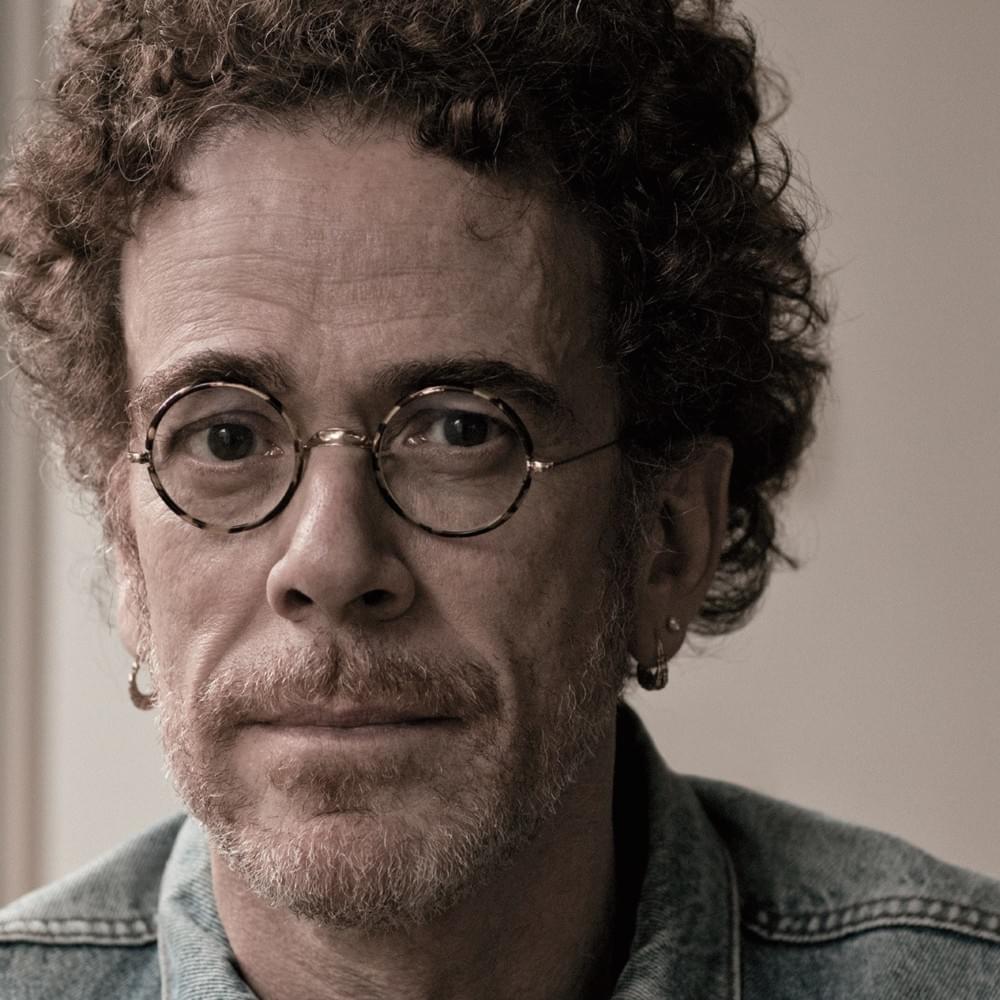
 View Artist