Song Meaning
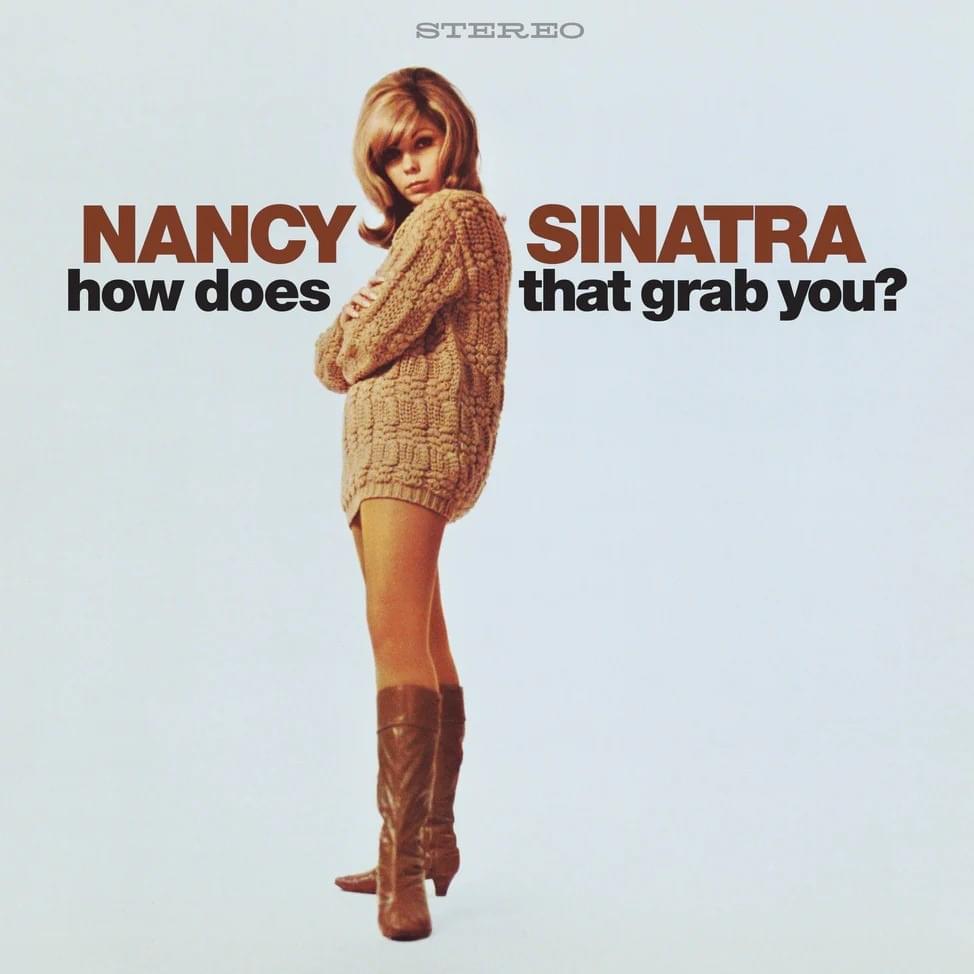
{"song_id": 11060596, "meaning": "Nancy Sinatra's \"Time\" isn't a track you passively hear; it's a melancholic meditation you absorb. Stripped of bombast, the song meaning resides in its deceptively simple observations about life's uneven terrain. Sinatra isn't preaching; she's painting vignettes of human experience: the runners, the crawlers, those paralyzed by fear, and the paths that lead nowhere. The genius lies in the juxtaposition—the 'white' roads against the 'fearful black,' mirroring our internal battles. It's a stark acknowledgment that existence isn't a monolith; it's a fractured mosaic. The refrain, 'Time, oh time, where did you go?' isn't a trite lament. It's the central question of a life spent navigating these contrasting realities.
The verses examining human interaction are equally potent. 'Some people never get / And some never give / Some people never die / But some never live' cuts deep. It speaks to the imbalance of effort and reward, the tragic irony of mere existence versus truly embracing life. The observation about indifference – 'most folks just go their way / Don't pay me no mind' – touches on the loneliness inherent in the human condition, the feeling of being a ghost in your own story. Are we all just bit players in each other's narratives, too absorbed in our own journeys to truly connect?
Ultimately, “Time” finds its power in its unflinching honesty. Sinatra doesn't offer answers; she presents the contradictions and leaves us to grapple with them. The final verse, oscillating between satisfaction and discontent, laughter and tears, encapsulates the messy, unresolved nature of being. The song's cyclical structure, returning to the plea to time, emphasizes the inescapable feeling of its relentless passage, a constant reminder of what's been lost and what remains unfound. It is a song that resonates not through grand pronouncements, but through its quiet, persistent questioning of the human experience."}
 View Artist