Song Meaning
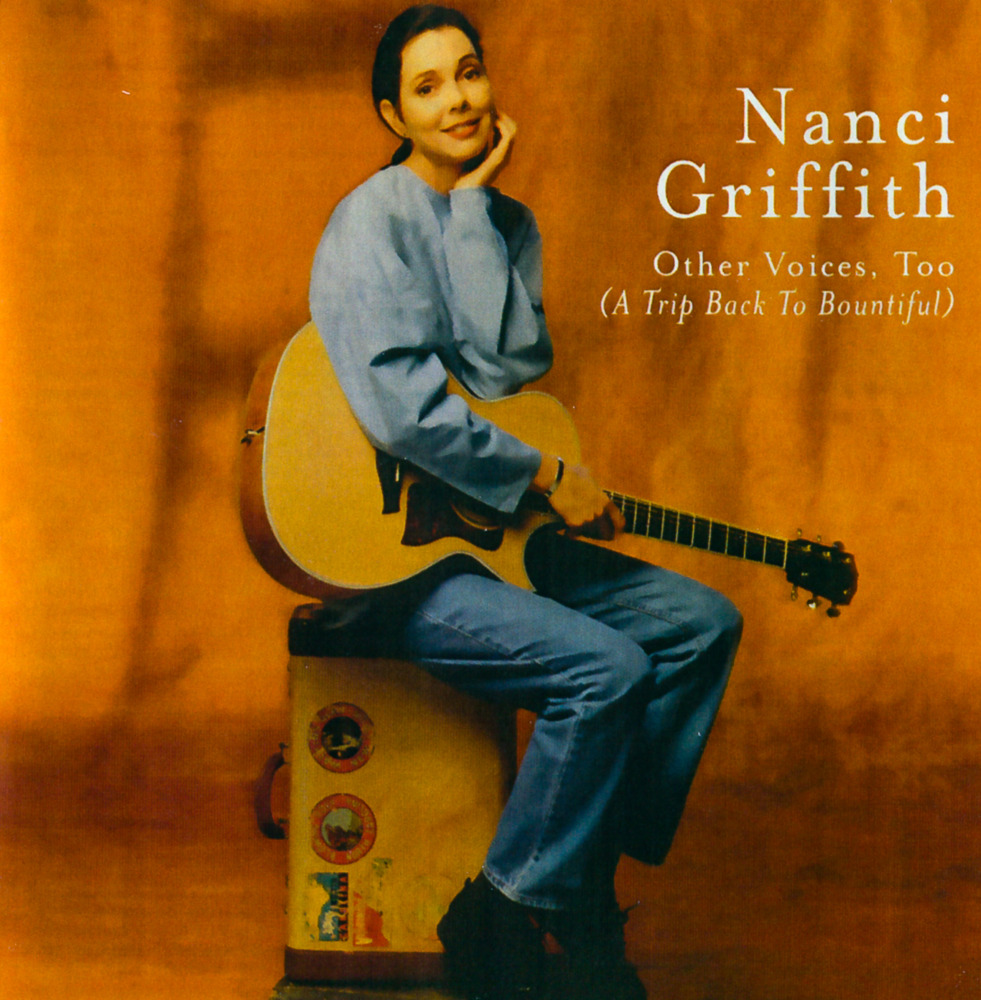
{"song_id": 12740274, "meaning": "Nanci Griffith's rendition of \"Wall of Death\" (written by Richard Thompson) isn't just a song; it's a visceral argument for embracing risk, a lyrical daredevil act set against the backdrop of a carnival. The 'Wall of Death,' a fairground attraction where motorcycles defy gravity on a vertical wall, becomes a potent metaphor for a life lived on the edge. Griffith’s yearning vocals transform the song into a personal manifesto, a rejection of mundane, predictable experiences in favor of something that feels intensely, dangerously alive. The repeated plea, \"Let me ride on the wall of death one more time,\" isn’t about morbid obsession, but a craving for authentic experience. It’s about feeling the rush, the adrenaline, the very real possibility of failure – because that’s where true living resides. Griffith isn't glorifying recklessness; she's highlighting the soul-crushing alternative. The other rides, the \"crooked house,\" \"rocket,\" or \"tunnel of love,\" represent the safe, pre-packaged thrills that ultimately leave one empty. They're distractions, not destinations. Even Noah’s Ark, a biblical symbol of survival, is presented as confusing, suggesting that clinging too tightly to established narratives can be disorienting.
The genius of the song meaning lies in its simplicity. The carnival imagery is universally relatable, a landscape of readily available but ultimately hollow entertainment. \"You're going nowhere when you ride on the carousel,\" Griffith sings, driving home the point that repetitive, risk-free pursuits lead to stagnation. The \"switchback\" might make you crazy, and the \"bearded lady\" might be a bizarre spectacle, but these are still safer bets than the Wall of Death. The bridge offers a crucial insight: \"On the wall of death, all the world is far from me… it's the nearest to being free.\" This isn't about escaping the world, but about achieving a state of pure, unadulterated presence. When you're facing death, everything else fades away, leaving only the raw, unfiltered sensation of being.
Ultimately, Griffith's \"Wall of Death\" isn't just about the thrill; it's a commentary on the human condition, a challenge to break free from the comfortable confines of mediocrity and embrace the uncertainty and vulnerability that come with truly living. It's a potent reminder that sometimes, the greatest risk is not taking one at all. The song's enduring appeal lies in its ability to tap into that primal desire for something more, something real, something that truly makes us feel alive, even if it means staring death in the face. It's a darkly romantic ode to the exhilarating dance between life and death, performed on a spinning, gravity-defying stage."}
 View Artist