Song Meaning
Nanci Griffith's "Turn Around" isn't just a song; it's a melancholic meditation on the relentless march of time and the bittersweet beauty of watching a child grow. The simplicity of the lyrics belies a profound emotional depth, striking at the universal parental experience of witnessing a daughter's transformation from infancy to adulthood. The cyclical structure, constantly asking "Where are you goin', my little one?", underscores the feeling of time slipping through one's fingers, a question echoing through the different stages of the girl's life. The image of "little dirndls and petticoats" fading away represents the ephemeral nature of childhood innocence. Griffith isn't just describing a physical journey, but also the emotional and psychological evolution of a young woman finding her place in the world.
The phrase "Turn around" becomes a poignant symbol of the fleeting moments we try to hold onto. Each turn represents a significant leap forward, a milestone reached, but also a subtle loss of what once was. The repeated chorus emphasizes the cyclical nature of life, with the daughter eventually becoming a wife and mother herself, carrying on the same journey. The song avoids sentimentality by focusing on the emotional core of parental observation. Griffith doesn't offer answers or solutions, but rather invites listeners to sit with the inherent sadness and joy of watching someone you love grow and change.
The real genius of "Turn Around" lies in its ability to evoke a deep sense of nostalgia and longing. It's a song about the bittersweet reality of letting go, accepting that children are not ours to keep, but rather individuals destined to follow their own paths. The repeated question of "Where are you goin'?" is not possessive, but rather an expression of love and concern, a silent wish for their happiness and well-being. Nanci Griffith masterfully captures the essence of this universal experience, transforming a simple melody into a powerful and enduring reflection on life's transience.
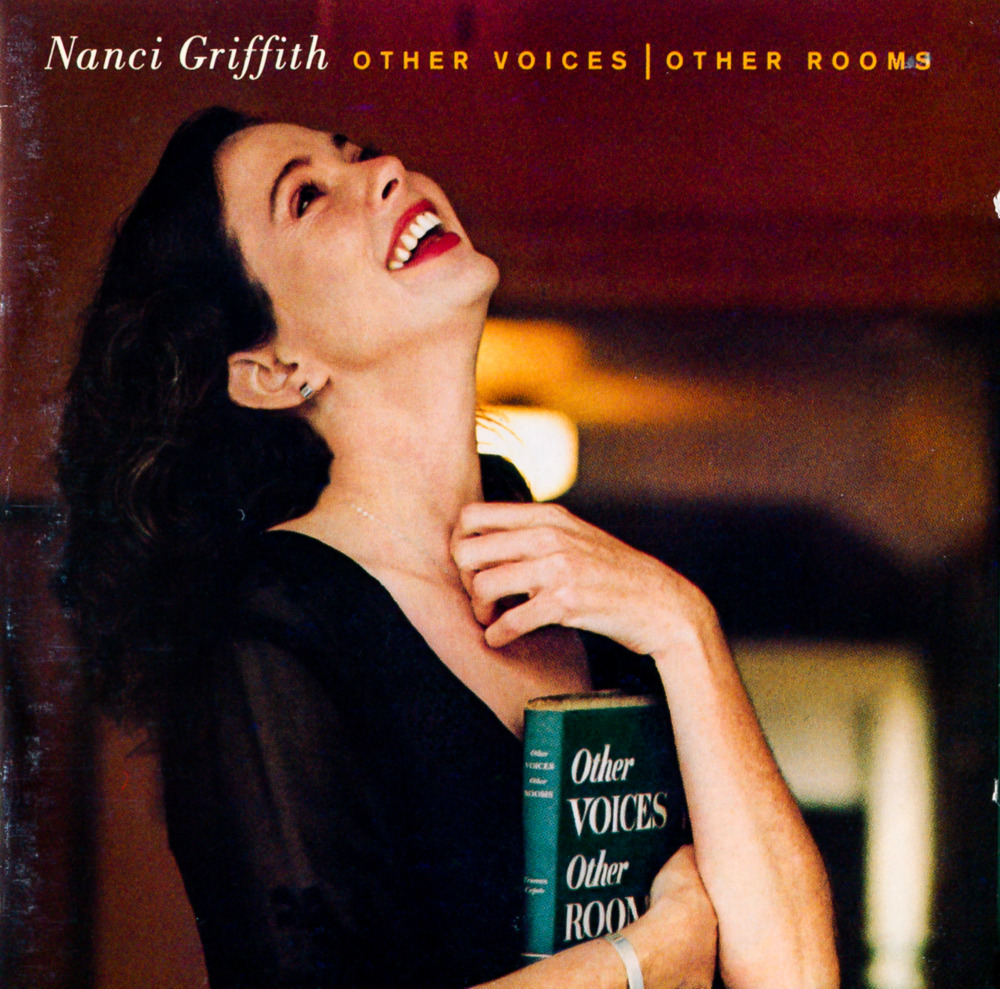
 View Artist