Song Meaning
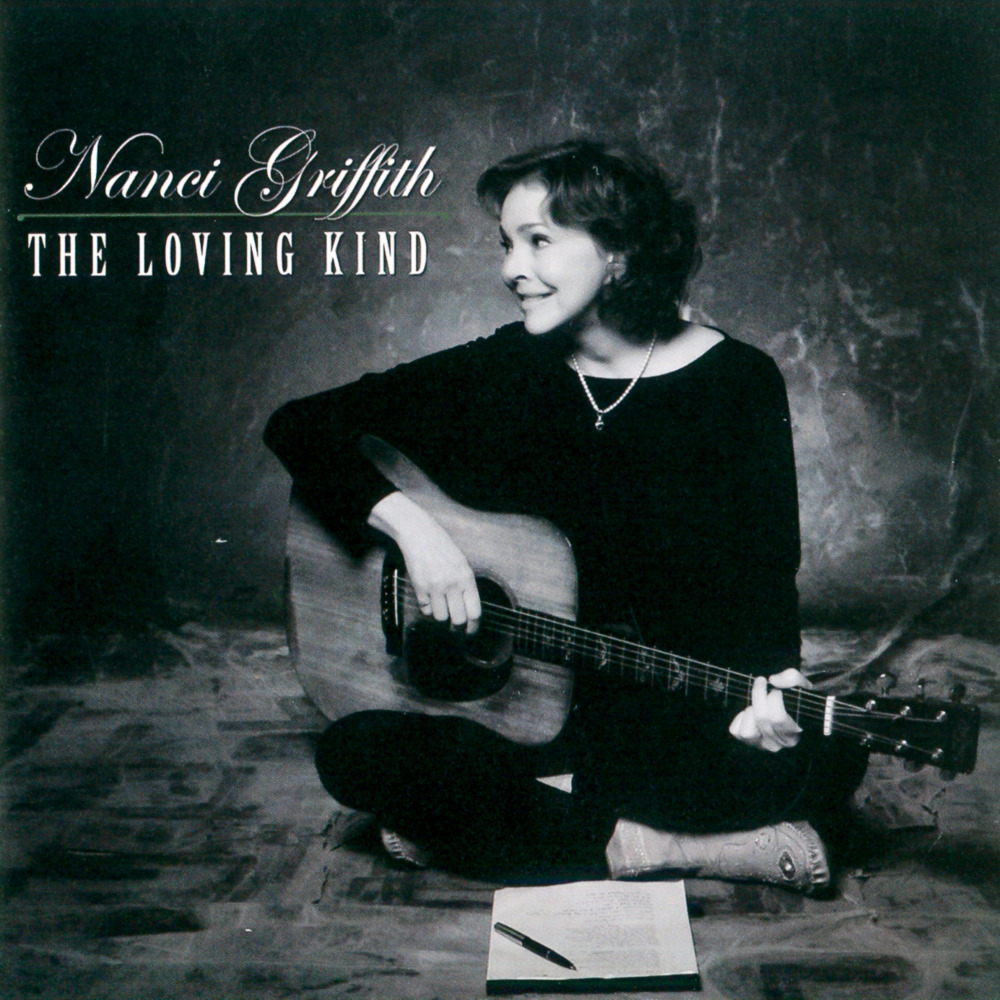
Nanci Griffith's "The Loving Kind" isn't just a song; it's a carefully etched portrait of quiet heroism. The song meaning resides not in grand pronouncements, but in the stark simplicity of the Lovings' story: an interracial couple, Mildred and Richard Loving, in 1958 Virginia, whose very existence defied the suffocating bigotry of the era. Griffith avoids romanticizing their struggle, instead presenting it with a clear-eyed, almost journalistic detachment. The lyrics lay bare the brutal reality – arrest, separation, legal battles – all for the crime of loving across the color line. There's a potent emotional undercurrent, not of soaring sentimentality, but of grounded, resolute defiance. The repetition of "They were the loving kind" acts as both a gentle refrain and a powerful statement of fact, underscoring the inherent goodness at the heart of their fight. Their saga, distilled in Griffith's poignant narrative, serves as a reminder of the personal cost of social progress.
The song's power lies in its ability to frame a landmark legal battle – Loving v. Virginia – within the intimate confines of a marriage. Griffith emphasizes the ordinariness of Mildred and Richard: "Simply Mildred and Richard / That's how they'll be remembered." They weren't activists seeking fame, but a couple wanting to build a life together in their home state. The lyrics highlight the contrast between their quiet existence and the monumental impact of their case, which ultimately struck down laws against interracial marriage across the United States. The phrase "changed the heart of a nation / With their wedding vows" isn't hyperbole; it's a recognition that acts of love, especially in the face of systemic oppression, can indeed be revolutionary.
Ultimately, "The Loving Kind" is a testament to enduring love and quiet resistance. The song's emotional core isn't about romantic fireworks, but about the steady flame of commitment that persisted despite societal hostility. Even in referencing Richard's death and Mildred's long life after, Griffith focuses on the lasting legacy of their love. The line "Mildred kept their love alive / 'Till the spring of two thousand-eight / Fifty years beyond the hate" suggests a triumph not only over legal injustice but over the corrosive power of prejudice itself. Nanci Griffith’s song serves as a potent reminder that true change often comes not from grand gestures, but from the everyday acts of courage and unwavering commitment to love in its purest form. It’s a song about the courage of simply *being* in love, and the world-altering impact that can have.
 View Artist