Song Meaning
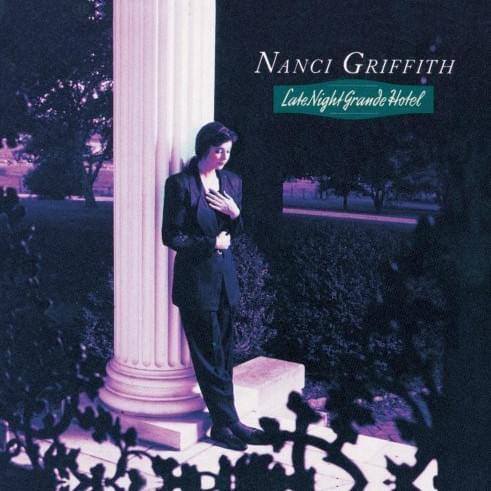
Nanci Griffith's rendition of Tom Waits' "San Diego Serenade" is a masterclass in the psychology of absence, a stark reminder that sometimes we only truly grasp the value of something – a place, a person, a feeling – when it's on the verge of disappearing or already gone. The song's brilliance lies in its cascading series of revelations, each prefaced by "Never saw," painting a portrait of a narrator who existed in a state of perpetual near-sightedness. It's a journey of delayed recognition, a belated awakening to the beauty and importance of the things that were always there. It's the human condition of not knowing what you've got 'til it's gone, plain and simple. Griffith's interpretation brings a particular poignancy to the wistful tone. She's not just singing about loss; she's inhabiting the space *after* the loss, looking back with a clarity that stings.
The repeated structure of the verses builds a powerful sense of cumulative regret. Each line is a small, sharp stab of awareness. The lyrics aren't just about physical absence, but also emotional and psychological distance. The narrator never saw the white line until leaving, never knew they needed someone until in a bind, never spoke "I love you" until cursing in vain. These aren't just observations; they're admissions of profound failings in communication and emotional intelligence. The mention of not seeing the moonlight until it shone off a lover's breast suggests a sensual awakening, a delayed appreciation for the physical and emotional connection that was previously taken for granted. The song brilliantly captures the dynamic of missed opportunities and the painful clarity that hindsight provides.
The cyclical nature of the lyrics, returning to the opening lines about the morning and sunshine, reinforces the idea of a recurring pattern of obliviousness. It suggests that this isn't just a one-time lapse in judgment, but a fundamental flaw in the narrator's perception. They only see the light in darkness, the melody in need, the value in absence. The final repetition underscores the lingering weight of regret and the unsettling possibility that this pattern might continue, forever obscuring the beauty of the present in favor of a romanticized, and ultimately unattainable, past. The song, therefore, is not just a lament, but a cautionary tale about the dangers of taking the present for granted.
 View Artist