Song Meaning
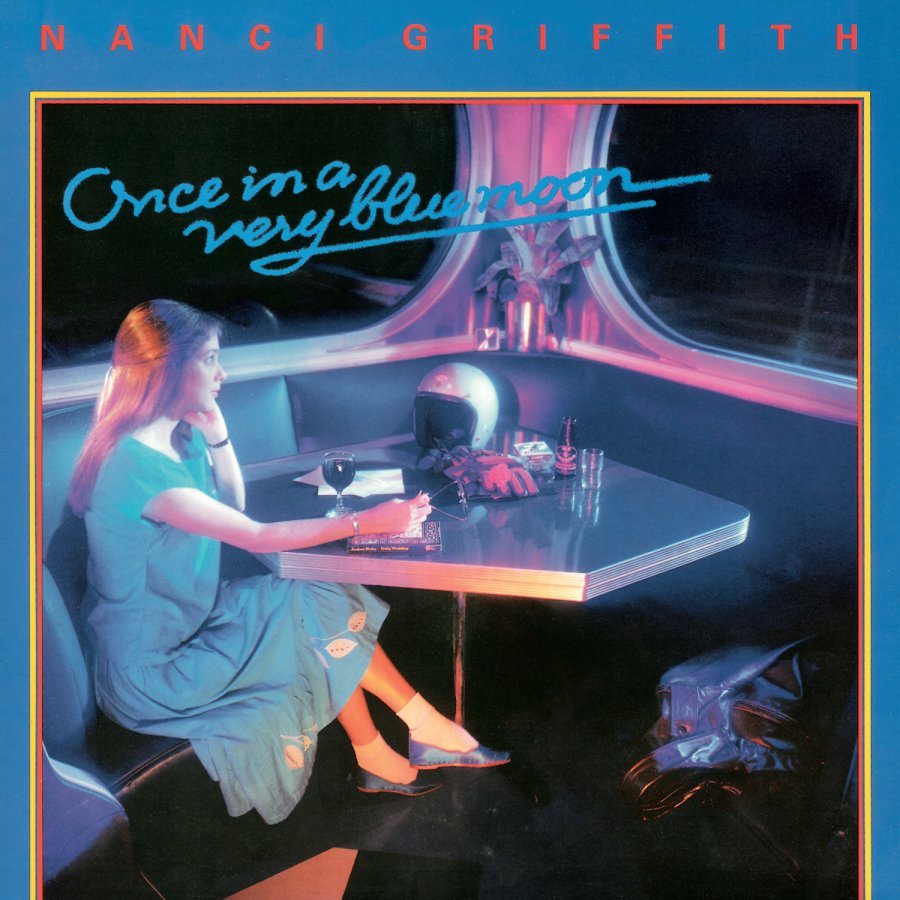
Nanci Griffith's "Roseville Fair" isn't just a song; it's a meticulously crafted memory, a sonic photograph faded at the edges but still radiating warmth. The lyrics paint a scene of idyllic small-town romance, set against the backdrop of a local fair where community and simple pleasures reign supreme. The opening verses are pure nostalgia, evoking a clear night sky and the comforting sounds of a band tuning up, immediately transporting the listener to a bygone era of innocence and unhurried connection. The woman in blue becomes an archetypal figure of youthful beauty, her smile capable of captivating an entire world. The song captures the profound impact of seemingly small moments, where a dance under the moonlight can alter the course of two lives forever. The "Roseville Fair" becomes a symbolic space, a locus of burgeoning love and shared experience.
Beyond the surface narrative, "Roseville Fair" delves into the psychology of memory and the power of shared experiences to shape identity. The recurring chorus acts as an anchor, reminding us of the enduring nature of first love and the specific details that forever bind two people together. It's not merely about remembering an event; it's about the active reconstruction of a moment that continues to define their relationship. The lyrics hint at the passage of time ("So long ago, but they still remember"), suggesting that the Roseville Fair has become a foundational myth within their personal history, a touchstone they return to again and again to reaffirm their bond. The front porch rocking chair represents the slow, deliberate pace of their courtship, emphasizing the importance of genuine connection and shared values.
Ultimately, the song transcends its specific narrative to become a universal ode to love and remembrance. The final verse broadens the scope, transforming the specific story into a blessing for all lovers. It suggests that everyone deserves to experience the magic of a Roseville Fair, to find a connection that resonates so deeply that it becomes a permanent part of their personal narrative. The fiddle and banjo, the simple instruments of their romance, become symbols of authenticity and enduring joy. Nanci Griffith masterfully uses this seemingly simple story to tap into the universal human desire for connection, belonging, and the creation of lasting memories.
 View Artist