Song Meaning
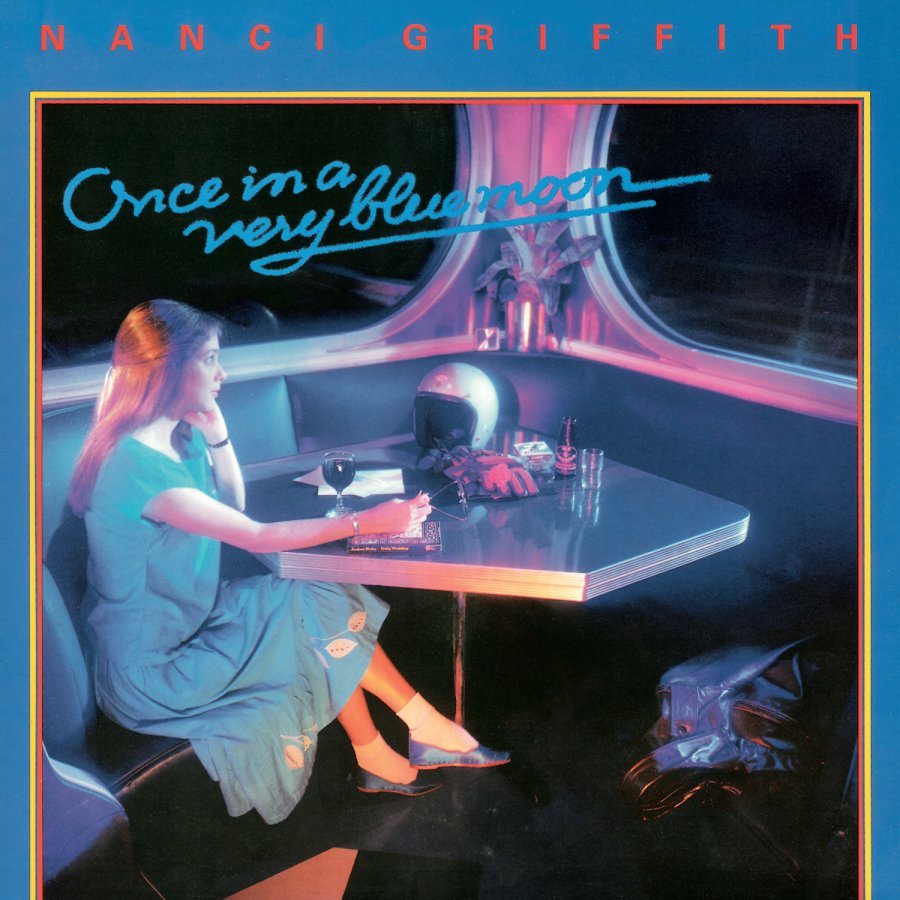
Nanci Griffith’s "Once in a Very Blue Moon" isn't just a song; it’s a masterclass in understated heartbreak. Griffith slices through the platitudes of post-breakup cordiality with the precision of a seasoned surgeon. The opening lines, referencing a casual check-in letter, immediately establish a landscape of forced normalcy. But underneath the surface simmers a potent cocktail of resentment and longing. The repeated phrase, "Just once in a very blue moon," becomes both a denial and an admission. It’s the classic defense mechanism – minimizing pain, pretending indifference, all while the rare, aching blue moon of true feeling swells on the horizon. Griffith knows the listener understands the charade. It's not about fooling anyone; it's about surviving.
The lyrical core of "Once in a Very Blue Moon" hinges on the shimmering, melancholic image of the blue moon itself. It's more than just a metaphor for infrequent sadness; it represents a specific, almost cosmic alignment of memory and emotion. The question, "Does it ever shine down on you?" cuts deep, revealing a vulnerability that belies the song's cool exterior. Griffith isn't just wondering if her former lover experiences similar pangs of regret; she's challenging the perceived imbalance of pain. The lines, "You act as if it never hurt you at all / Like I'm the only one who's gettin' up from a fall," expose the raw nerve of feeling disproportionately wounded. This isn't just about a breakup; it's about perceived injustice in the aftermath.
Ultimately, the song meaning of "Once in a Very Blue Moon" resides in its sophisticated understanding of emotional denial. Griffith doesn't wallow; she observes. The repetition of the chorus, coupled with the subtle shifts in tone, creates a hypnotic effect, drawing the listener into the cyclical nature of grief. The song’s power isn't in histrionics but in its quiet, knowing acknowledgment of the human tendency to downplay profound emotional experiences. The "very blue moon" is coming, whether she likes it or not, and the song’s brilliance lies in its delicate portrayal of that internal battle between self-preservation and the unavoidable resurfacing of deeply felt emotions.
 View Artist