Song Meaning
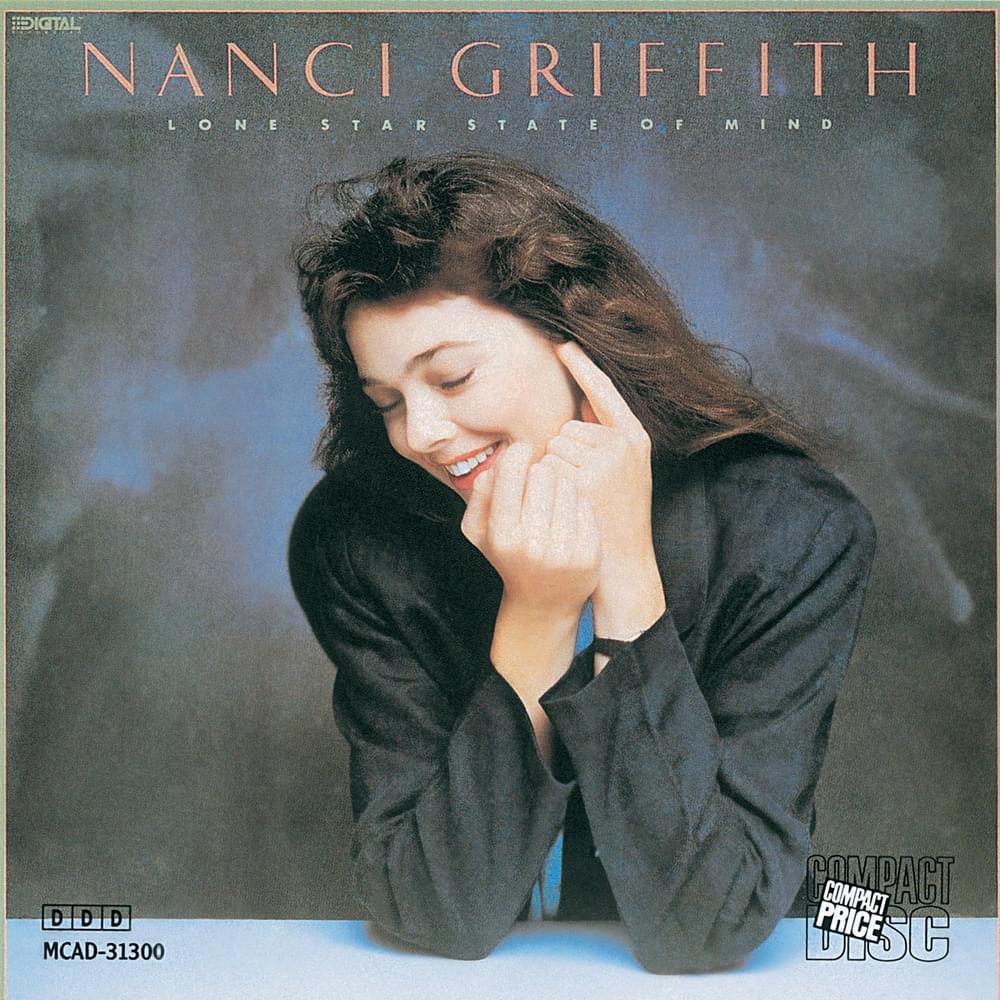
{"song_id": 12737959, "meaning": "Nanci Griffith's \"Love In A Memory\" is a masterclass in understated heartbreak, a quietly devastating portrait of two lives orbiting a shared past. The song doesn't scream its pain; it whispers it through vignettes of a woman in Memphis and a man on the New Jersey Turnpike, their connection severed but eternally present. Griffith paints the woman as a siren of the South, a singer at the Peabody, attracting suitors with roses and wine, yet remaining emotionally unavailable. The line \"She's not the marrying kind\" isn't a boast but an admission of a deeper wound, suggesting a conscious choice to guard her heart, perhaps stemming from the very love she holds in memory.
The counterpoint is the man, trapped in a life of quiet desperation. He's a toll booth worker on the New Jersey Turnpike, a far cry from the romantic St. Paul of his memories. The detail of the ring \"growing cold to the bone\" is particularly poignant, suggesting a marriage devoid of passion, a stark contrast to the vibrant love he once knew. The mention of his sons, \"dreamers who cheat on their own wives,\" hints at a cycle of dissatisfaction and infidelity, perhaps mirroring his own unspoken regrets. Both characters are haunted by the past, forever tethered to a love that exists only in their minds.
The recurring chorus, \"Love is a memory that she'll always hold / 'Cause love in a memory never grows old,\" is the song's central thesis. It acknowledges the idealized nature of remembered love. It's preserved in amber, untouched by the harsh realities of daily life. The crucial line, \"Why she did leave him, well nobody knows,\" underscores the mystery and ambiguity at the heart of the song. The specific reason for the split is irrelevant; what matters is the enduring power of that memory, its ability to both comfort and torment. Nanci Griffith subtly suggests that sometimes, the most profound love is the one that remains a ghost, a beautiful, untouchable ideal, forever young and perfect in the halls of memory."}
 View Artist