Song Meaning
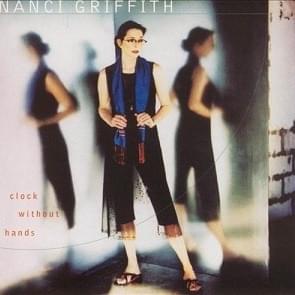
Nanci Griffith's rendition of "Lost Him In The Sun," penned by John Stewart, is a masterclass in understated heartbreak. The song's core metaphor, losing someone "in the sun," isn't about a literal disappearance. Instead, it speaks to the blinding realization that a relationship has irrevocably faded, perhaps gradually, perhaps with shocking abruptness. The sun, typically a symbol of warmth and life, becomes an agent of loss, its harsh light exposing the emptiness that now exists where love once thrived. The repeated refrain, "I lost him in the sun," acts as both a lament and a stark acknowledgement of a painful truth. It's a quiet devastation, delivered with the kind of weary resignation that suggests this isn't the first time the narrator has faced such a loss. The open question "what have I done?" is a particularly poignant, suggesting an element of self-blame or a desperate need to understand where the relationship went wrong.
There's a deeper psychological current running through the lyrics. The line, "I've learned to love the night cause the light's gonna get ya," hints at a defense mechanism, a learned aversion to vulnerability. The "light" represents exposure, the risk of being hurt again, while the "night" offers a safer, more protected space. This speaks to a potential pattern of avoiding intimacy to prevent future pain. The imagery of "riders of the night" carrying a "scar" further emphasizes the lasting impact of past relationships on the narrator's present emotional state. This scar becomes a defining feature, shaping their interactions and expectations.
Ultimately, "Lost Him In The Sun" is not just a song about losing a partner; it's an exploration of the ways in which loss shapes our perceptions of love and light. Griffith's interpretation brings a world-weariness to the track that highlights the cyclical nature of relationships and the scars they leave behind. It's a song for those who have loved and lost, and who understand that sometimes, the brightest moments can cast the longest shadows. The lyrics analysis reveals a narrative steeped in both personal grief and a broader commentary on the human condition: our inherent need for connection, and our inevitable experience of its absence.
 View Artist