Song Meaning
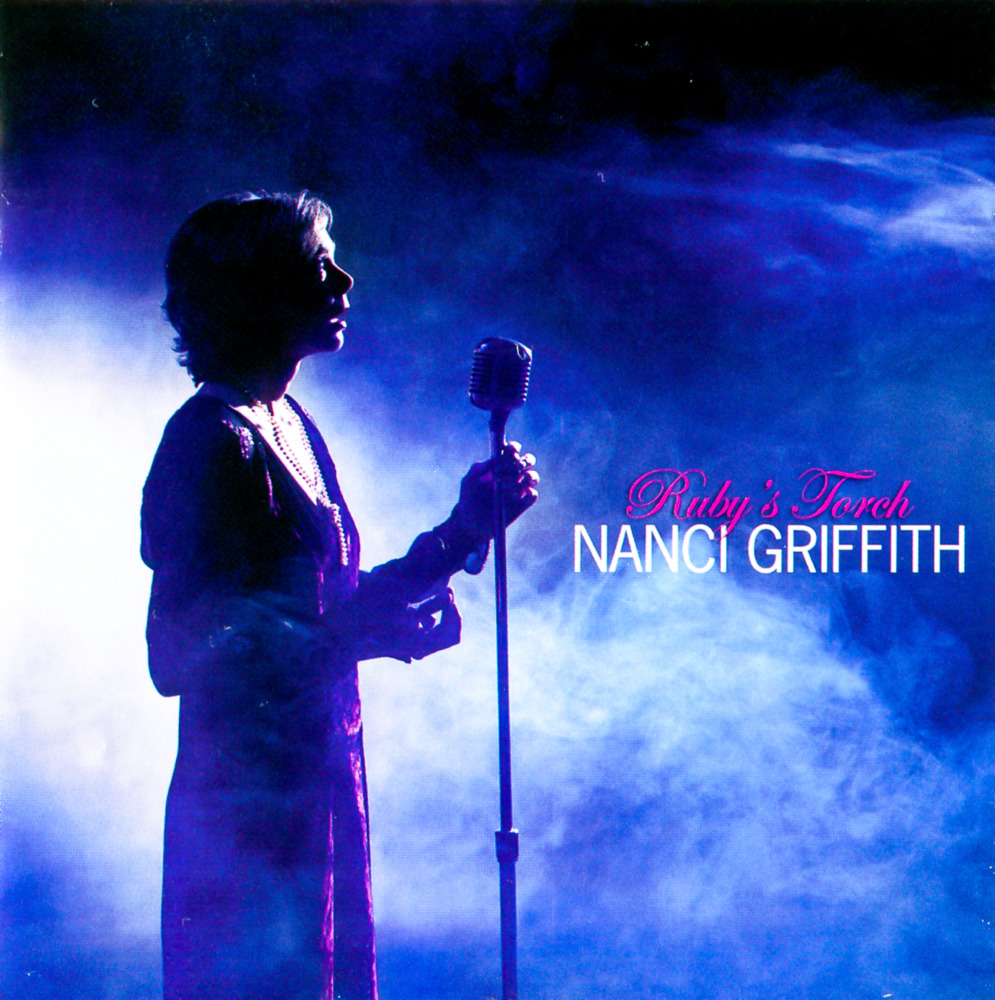
Nanci Griffith's rendition of "In The Wee Small Hours Of The Morning" is more than just a late-night lament; it's a masterclass in emotional distillation. The song meaning coils around the universal experience of solitude amplified by darkness. It’s that specific, agonizing awareness that dawns when the world is silent, and only the echoes of what's missing reverberate. Griffith doesn’t just sing about heartbreak; she inhabits the very marrow of it, her phrasing capturing the cyclical nature of longing. The repetition of "In the wee small hours of the morning / That's the time you miss her most of all" underscores the obsessive quality of grief, the way the mind fixates when deprived of external stimuli. The listener is trapped in the same loop as the narrator, caught in the undertow of memory.
The genius of the lyrics lies in their simplicity. There's no elaborate storytelling, no dramatic crescendo—just the raw, unvarnished truth of a heart wrestling with absence. "You lie awake and think about the girl / And never ever think of counting sheep" is a beautifully economical way of portraying the futility of trying to distract oneself from the pain. Sleep, the great escape, becomes impossible, replaced by the relentless replay of what was. The song isn't just about missing someone; it's about the specific torture of missing them when one is most vulnerable, stripped bare of defenses in the dead of night.
Ultimately, "In The Wee Small Hours Of The Morning," as interpreted by Griffith, is a study in vulnerability. The line "When your lonely heart has learned its lesson / You'd be hers if only she'd call" reveals a profound humility, a willingness to swallow pride for the sake of reconciliation. It's a testament to the enduring power of love, even in its absence. The song acknowledges the messy, imperfect reality of human connection, where lessons are learned too late, and the possibility of redemption hangs precariously in the balance. It's a reminder that even in the darkest hours, hope, however faint, persists.
 View Artist