Song Meaning
Nanci Griffith's rendition of "In the Wee Small Hours" isn't just a late-night lament; it's a masterclass in emotional excavation. The song meaning resides not in grand pronouncements of heartbreak, but in the quiet, creeping dread of 3 AM. It's that specific time when the defenses are down, the world is silent, and the mind is free to wander back to what's been lost. Griffith understands the psychology of longing – that the absence of distraction allows the ache to bloom fully. The lyrics don't detail a dramatic breakup, instead focusing on the aftermath: the persistent, gnawing feeling of absence. The repeated phrase "wee small hours of the morning" acts as a sonic trigger, instantly transporting the listener to that vulnerable headspace.
The genius of the song lies in its simplicity. There's no complex narrative, no blame, no soaring vocal acrobatics. Just a stark, honest portrayal of loneliness. The image of lying awake, unable to "think of counting sheep," speaks volumes about the restless mind, obsessively replaying memories and 'what ifs.' The repeated line, "You'd be hers if only she'd call," is both a desperate plea and a quiet resignation. It acknowledges the power dynamic inherent in unrequited or lost love, the agonizing wait for a signal that may never come. The song's structure, with its cyclical return to the title phrase, mirrors the obsessive thought patterns of someone grappling with heartbreak.
Ultimately, "In the Wee Small Hours" is a study in the universality of loneliness. It's a song for those who have stared into the abyss of their own minds in the dead of night, wrestling with the ghosts of relationships past. Nanci Griffith's interpretation captures the quiet desperation and vulnerability that define those moments, transforming a simple torch song into a profound exploration of the human condition. It's not just about missing someone; it's about confronting the stark reality of absence and the yearning for connection that defines us all.
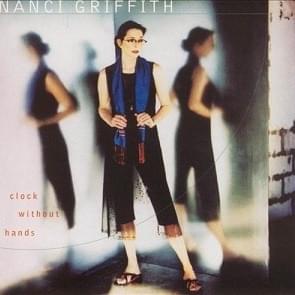
 View Artist